Summary:
Every fall, Nassau County homeowners rake the leaves, put the garden to bed, and wonder about those trees. The big oak near the driveway. The maple that drops branches every time a storm rolls through. You’ve probably thought about having them looked at — and maybe assumed fall was the right time to do it. That instinct is mostly right, but the timing within fall matters more than most people realize. Prune too early and you can actually set your trees back. Wait for the right window and you’re giving them the best possible chance to come through winter without incident.
Winter Tree Preparation Starts With Getting the Timing Right
The moment Nassau County’s deciduous trees drop their leaves — typically by early to mid-November — something important happens. The tree shifts into full dormancy, pulling its energy down from the canopy and into the root system for winter storage. That’s the window you want. Pruning during dormancy is less stressful for the tree, allows wounds to begin sealing right as spring growth kicks in, and removes the structural vulnerabilities that winter storms exploit.
What most people don’t know is that early fall — August through October — is actually one of the worst times to prune most tree species. Trees are still in the process of winding down for the season. Pruning during that period can stimulate new growth that won’t have time to harden before the first frost, leaving tender tissue exposed to cold damage. It also interrupts the tree’s natural energy storage cycle. The right fall pruning window for Nassau County is after full leaf drop, generally mid-November through early March.
Tree Pruning Timing by Species — Nassau County's Most Common Trees
Nassau County has one of the densest oak populations on Long Island. Red oaks, pin oaks, and white oaks line streets from Great Neck to Massapequa, and they come with a specific pruning rule that most general tree trimmers don’t know: oaks should not be pruned between April and October. The reason is oak wilt — a fungal disease spread by beetles that are attracted to the scent of fresh pruning cuts. During the warmer months, those beetles are active and a fresh cut is an open invitation. Once dormancy sets in after November, that risk drops significantly. If you have oaks on your property, late fall through late winter is the only safe window for major pruning work.
Maples are another story. They’re common throughout Nassau County neighborhoods and are best pruned in late winter, just before new buds begin to push. Fall pruning isn’t harmful to maples the way early-fall work is for oaks, but late winter tends to produce cleaner results because the tree is on the verge of its most active healing period. Wounds sealed in late February or early March close faster than those made in November simply because the growing season is right around the corner.
Spring-blooming trees — dogwoods, cherries, magnolias, and crabapples — follow a different schedule entirely. These should be pruned right after they finish flowering in spring, not in fall. Pruning them in fall removes the buds that are already set for next year’s bloom. If you have a flowering cherry or dogwood in your yard and you prune it in November, don’t be surprised when it barely blooms come April.
Conifers like Norway spruce and white pine, which are common throughout Nassau County’s older residential neighborhoods, are actually well-suited to late fall and winter pruning. They tend to wake up earlier than deciduous trees in spring, so pruning them during dormancy gives them more time to begin healing before their growth flush. Light shaping and removal of dead interior branches is straightforward work once the growing season has passed.
The broader point is that a one-size-fits-all approach to fall pruning doesn’t work when you’re dealing with a mature, mixed-species landscape — which describes most Nassau County properties built out in the 1950s and 60s. The trees are old enough to need real attention, and different enough to need a species-specific approach.
What Dormant Pruning Actually Shows You — And Why It Matters Before a Nor'easter
There’s a practical reason why we prefer working on trees after the leaves are gone: you can actually see what you’re dealing with. In full summer foliage, a tree can look perfectly healthy while hiding crossing limbs, weak branch unions, and sections of deadwood that are just waiting for the right storm to come loose. Once the canopy is bare, all of that becomes visible. The entire structural architecture of the tree is right in front of you.
This matters enormously in Nassau County, where nor’easter season runs from October through April. A nor’easter doesn’t just bring wind — it brings wet, heavy snow and ice that loads tree branches with hundreds of pounds of weight. A branch that looks fine in August can split under that load in January if it has a weak attachment point or a hidden crack that was never addressed. The fall dormancy window is your last realistic opportunity to find and remove those vulnerabilities before the worst of winter arrives.
Superstorm Sandy in October 2012 is still a reference point for homeowners across Nassau County. The trees that failed during that storm — the ones that landed on roofs, blocked driveways, and took out power lines — weren’t all old or obviously diseased. Many were structurally compromised in ways that a proper assessment would have caught. That’s exactly what we look for when walking a property in November.
Beyond storm risk, dormant pruning also means that insects and disease pathogens are largely inactive. Fresh pruning cuts made in late fall or winter aren’t exposed to the same vectors that cause problems during the growing season. For oaks especially, this matters — but it applies broadly to most species. There’s a reason the professional standard is to do major structural work during dormancy. It’s biology.
What Good Fall Tree Pruning Actually Looks Like in Practice
Pruning is not trimming. That distinction matters more than most homeowners realize. Trimming is about shape and appearance — keeping a tree looking neat, managing size, cleaning up the edges. Pruning is strategic. It’s about removing specific branches to improve structural integrity, reduce storm risk, improve airflow through the canopy, and direct the tree’s energy toward healthy growth. A properly pruned tree doesn’t just look better. It’s genuinely more resilient.
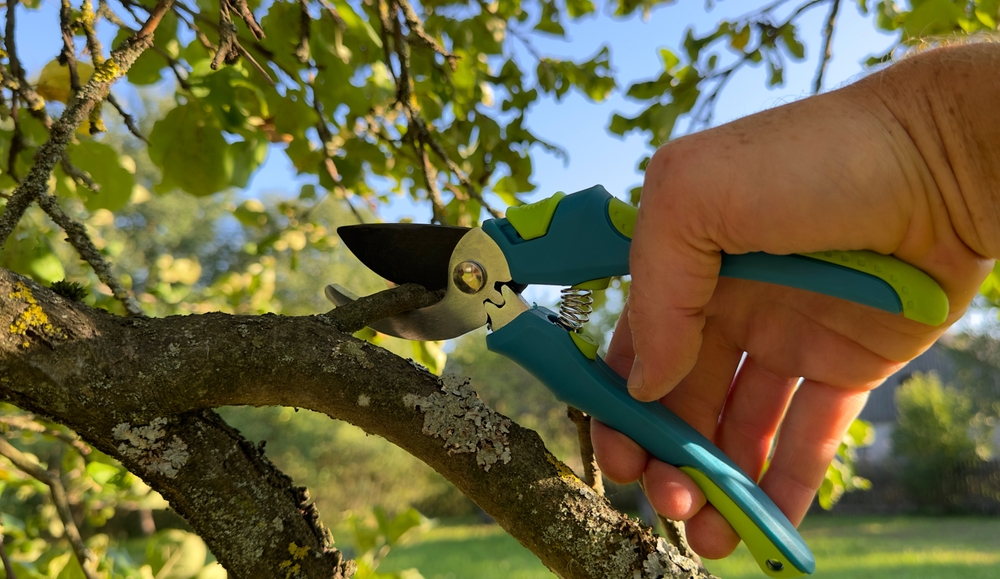
Professional pruning follows ANSI A300 standards, which govern where cuts are made, how much of the canopy can be removed in a single session, and how to handle different types of branches. The cut placement matters — a proper cut is made just outside the branch collar, the slightly raised ring of tissue where the branch meets the trunk. That collar is where the tree’s healing response originates. Cut too close and you remove it. Leave too long a stub and the tree can’t close the wound. Either mistake creates an entry point for decay that can compromise the tree for years.
How to Tell If Your Nassau County Trees Need Structural Pruning This Fall
The most common question we hear from Nassau County homeowners is some version of: “My tree looks fine — does it actually need pruning?” It’s a fair question. The honest answer is that a tree can look fine from the ground in October and still have structural problems that only become apparent when the leaves are gone — or when a storm tests it.
There are a few things you can look for on your own. Dead branches are the most obvious sign — they’ll often look darker, have no remaining bark in sections, or hold dead leaves after surrounding branches have dropped theirs. Crossing limbs that rub against each other create wound sites that invite disease and decay. A canopy that’s grown very dense without any thinning over the years creates more wind resistance and more surface area for ice and snow to accumulate. V-shaped branch unions — where two branches of roughly equal size split from the same point — are structurally weaker than U-shaped unions and are among the most common failure points during storms.
Large trees near your house, garage, or power lines deserve particular attention. PSEG Long Island manages utility line clearance on public rights-of-way, but branches that overhang your own structures are your responsibility. In neighborhoods like Syosset, Manhasset, and Garden City — where mature oaks and maples can reach 60 to 80 feet — a single failed limb can cause significant property damage. The cost of a routine pruning assessment is a fraction of what a single insurance claim runs after storm damage.
If you’re not sure what you’re looking at, that’s exactly what a certified arborist assessment is for. An ISA Certified Arborist doesn’t just climb trees — they assess tree health, identify structural risk, and give you a clear picture of what needs attention now versus what can wait. That assessment is the starting point for any responsible fall pruning plan.
Post-Pruning Care and Winter Protection for Long Island Trees
Once the pruning work is done, there are a few things that make a real difference in how well your trees come through winter. None of them are complicated, but they’re worth knowing.
Mulching around the base of a tree — a 3 to 4 inch layer of wood chips or shredded bark extending out to the drip line — helps insulate the root zone from freeze-thaw cycles that can stress root systems over a long winter. Keep the mulch a few inches away from the actual trunk to avoid moisture buildup against the bark, which can cause rot. This is especially useful for younger trees or any tree that had significant root disturbance during the season.
Watering before the ground freezes is something most Nassau County homeowners overlook. Trees going into winter with adequate soil moisture are more resilient than those entering dormancy in dry conditions. If fall has been dry — which it often is on Long Island — a deep watering in late October or early November, before the ground hardens, can make a meaningful difference.
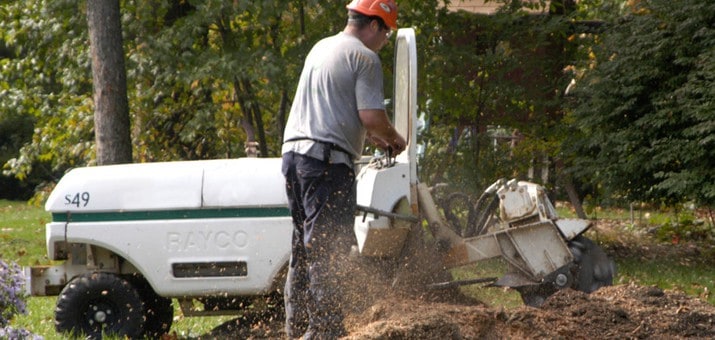
For trees that have had significant pruning work, or trees that are showing signs of stress, a layer of fresh mulch and consistent moisture going into winter gives the root system the best possible environment to support spring recovery. Stump grinding is also worth considering in fall if you have stumps from earlier removals — the ground is still workable, and addressing them before winter freeze makes the process cleaner and easier. Left over winter, stumps can become harder to grind and create tripping hazards under snow cover.
The goal of all of this — the pruning, the timing, the post-care — is to give your trees the best possible chance of coming through winter intact and opening spring healthy. In Nassau County, where mature trees are a significant part of what makes neighborhoods look the way they do, that’s worth taking seriously.
Fall Tree Pruning in Nassau County: What to Do Before Winter Arrives
The window for smart fall pruning in Nassau County is real, and it’s not unlimited. Once the leaves are down and temperatures drop consistently below 40°F — typically by mid-to-late November — you’re in the right zone for dormant-season work. That window runs through early March. What you do with it determines how your trees handle whatever winter brings.
The most important takeaway is this: early fall is not the right time, late fall is, and the species on your property matter. Oaks, maples, conifers, and flowering trees all have different needs, and a pruning schedule that ignores those differences is just guesswork.
If you’re in Nassau County and you’re not sure where your trees stand heading into winter, a professional assessment is the right first move. We work with Nassau County homeowners throughout the fall season — free estimates, ISA Certified Arborist on staff, and a straightforward approach to telling you exactly what your trees need and why.