Summary:
You’ve noticed your trees are looking overgrown. Maybe branches are getting too close to your roof, or the canopy’s so thick that your lawn isn’t getting enough sun. So you start calling around, and everyone’s throwing out terms like “trimming” and “pruning” like they mean the same thing. They don’t. The difference between tree trimming and pruning isn’t just semantics—it’s about understanding what your trees actually need. One keeps them looking good and out of your way. The other keeps them alive, healthy, and structurally sound for the long haul. If you’re in Suffolk County, where coastal storms and salt air put extra stress on trees, knowing which service to call for matters even more. Let’s break down what each one does and why it matters for your property.
What Is Tree Trimming and When Do You Need It
Tree trimming is what most people think of when they picture tree maintenance. It’s the process of cutting back overgrown branches to control size, maintain shape, and keep trees from interfering with your property. Think of it as landscape management—you’re shaping the tree to fit your space and keeping it from becoming a nuisance or hazard.
Professional tree trimming focuses on aesthetics and clearance. If branches are hanging over your driveway, scraping your gutters, blocking your windows, or crowding other plants, that’s a trimming job. It’s about managing growth so your trees complement your property instead of taking it over.
Most trees benefit from trimming once or twice a year, depending on how fast they grow and where they’re located. In Suffolk County, where we deal with nor’easters and strong coastal winds, keeping branches trimmed back from your roof and power lines isn’t just about looks—it’s about preventing damage when the next storm rolls through.
Why Tree Trimming Matters for Safety and Curb Appeal
Overgrown trees aren’t just an eyesore. They’re a liability. Branches that extend too far can scrape your siding during windstorms, clog your gutters with debris, or worse—fall onto your roof, car, or power lines. In dense neighborhoods like those across Suffolk County, a falling branch doesn’t just affect your property. It can damage your neighbor’s fence, block the street, or take out utility lines that affect the whole block.
Regular tree trimming creates clearance. It keeps branches at a safe distance from structures and reduces the risk of storm damage. When you trim strategically, you’re also improving sightlines—especially important if branches are blocking street signs, obstructing your view when backing out of the driveway, or limiting visibility for drivers and pedestrians.
But trimming isn’t just about avoiding problems. It’s also about enhancing your property’s appearance. Well-trimmed trees look intentional and cared for. They frame your home instead of swallowing it. They let light reach your lawn and garden beds. And when it comes time to sell, that curb appeal matters. Studies show that properties with well-maintained trees can see a 3.5% to 7% increase in value. That’s not a small number when you’re talking about real estate in Suffolk County.
Trimming also helps manage growth patterns. If you’ve got a tree that’s growing lopsided or developing branches in awkward directions, trimming can guide it back into a more balanced, visually appealing shape. The goal isn’t to turn your tree into a sculpture—it’s to work with its natural form while keeping it functional and attractive within your landscape. This is especially important for properties in areas like Huntington, Smithtown, and Brookhaven where mature trees are part of the neighborhood character.
How Often Should You Trim Trees in Suffolk County
There’s no universal answer, but most trees do well with trimming once or twice a year. Fast-growing species or trees in high-traffic areas might need more frequent attention. Slower-growing trees or those in open spaces might be fine with annual maintenance. Your specific needs depend on tree species, location, and growth rate.
Timing matters too. Late winter and early spring are popular times for tree trimming because you can see the tree’s structure clearly without leaves in the way. But if you’re trimming for clearance—say, to keep branches away from your house or power lines—you can do that any time of year as long as you’re not removing too much at once.
In Suffolk County, it’s smart to schedule trimming before storm season. Nor’easters run from October through April, and those sustained winds can turn overgrown branches into projectiles. Trimming back vulnerable growth in late summer or early fall gives you a buffer before the heavy weather hits. Coastal properties face even more pressure from salt air and wind exposure.
Pay attention to what your trees are telling you. If branches are touching your roof, blocking sunlight from your garden, or hanging over walkways, it’s time to trim. If you’re seeing uneven growth—where one side of the tree is significantly heavier than the other—that’s another sign. Unbalanced trees are more likely to suffer damage in high winds.
One thing to avoid: topping. That’s when someone cuts off the top of a tree to reduce its height. It looks terrible, weakens the tree’s structure, and leads to rapid, unhealthy regrowth. If a tree’s too tall for its space, talk to a certified arborist about crown reduction techniques that maintain the tree’s health and natural shape.
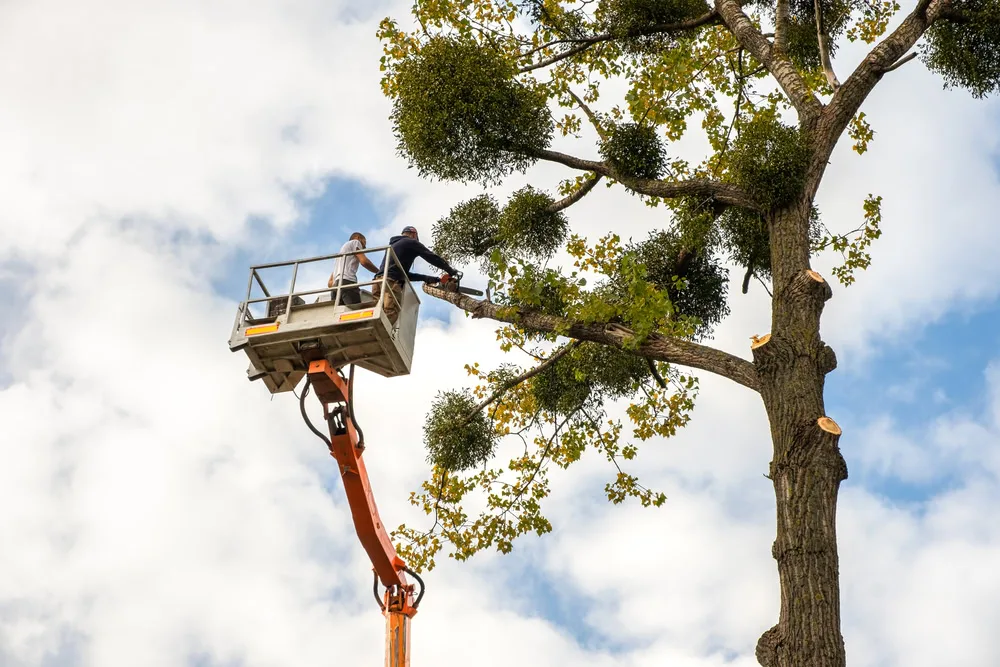
Also, don’t try to trim large trees yourself. It’s dangerous. You’re dealing with heavy branches, sharp tools, and often working at height. If a branch is near power lines, don’t touch it—call a licensed professional who’s trained and insured to work around utilities. The risks aren’t worth it.
What Is Tree Pruning and Why Does It Matter
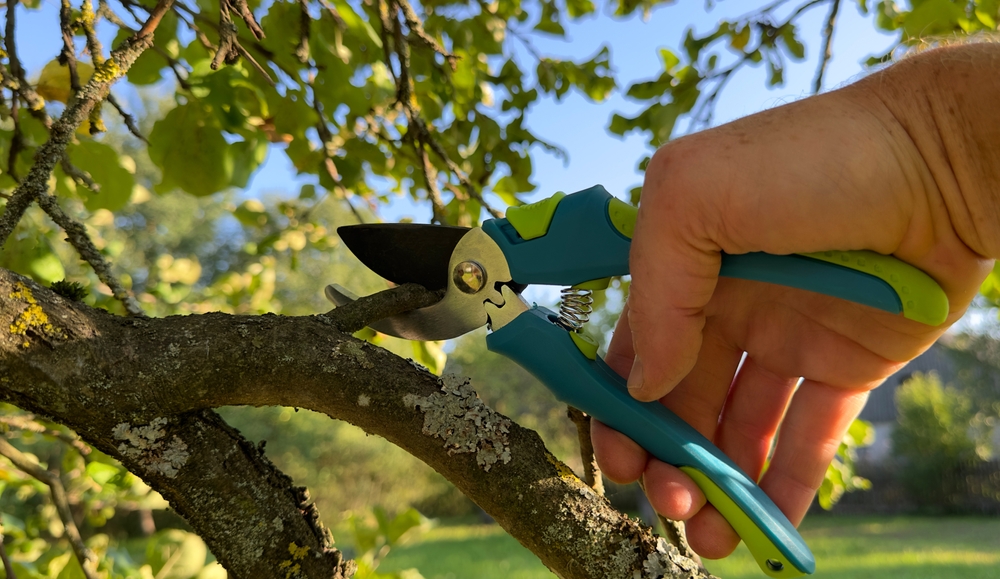
Pruning is different. It’s not about controlling size or improving appearance—though those can be side benefits. Tree pruning is about tree health. It’s the selective removal of dead, diseased, or damaged branches to improve the tree’s structure, promote strong growth, and prevent problems from spreading.
Think of pruning as preventive medicine for your trees. You’re removing the parts that are draining resources, creating weak points, or harboring disease. What’s left is a healthier, more resilient tree that’s better equipped to handle stress—whether that’s a storm, a drought, or a pest infestation.
Pruning also improves airflow through the canopy. When branches are too dense, moisture gets trapped. Leaves stay wet longer. That creates the perfect environment for fungal diseases, mildew, and rot. By thinning out crowded areas, you’re letting air circulate and sunlight penetrate deeper into the tree. That means healthier foliage, stronger branches, and fewer disease problems down the line.
The Health Benefits of Professional Tree Pruning
Dead and diseased branches are more than just ugly. They’re a drain on the tree’s resources. Every bit of energy the tree puts into a dying branch is energy that’s not going to healthy growth. Worse, diseased branches can spread infection to the rest of the tree—and to neighboring trees. This is a real concern in Suffolk County’s dense suburban neighborhoods where trees are close together.
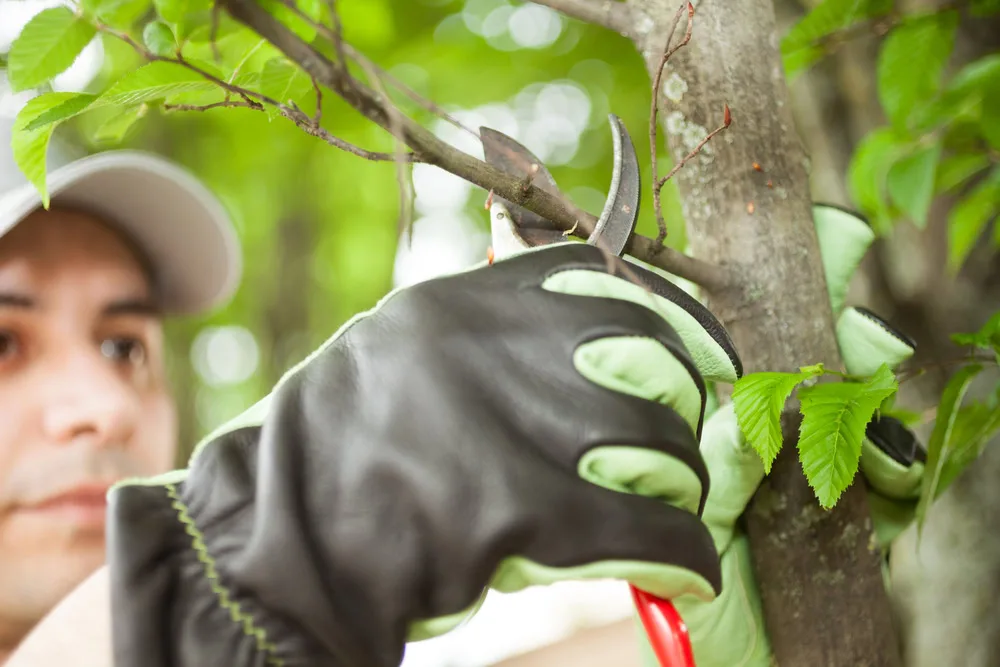
Professional tree pruning removes those problem areas before they become bigger issues. A certified arborist knows how to spot early signs of disease: discolored bark, unusual growths, brittle wood, or branches that aren’t producing leaves. By cutting away the infected parts, you’re stopping the spread and giving the tree a chance to recover.
Pruning also addresses structural problems. Trees don’t always grow in ideal ways. Sometimes branches cross and rub against each other, creating wounds that invite pests and disease. Sometimes a branch grows at a weak angle that’s likely to fail under stress. Pruning corrects these issues early, before they turn into hazards.
In Suffolk County, where salt air and coastal winds stress trees in ways that inland properties don’t experience, pruning becomes even more important. Salt exposure weakens certain species over time, making them brittle and prone to sudden branch failure. Norway maples, popular in older developments, become particularly vulnerable after years of salt exposure. Pruning helps identify and remove those vulnerable branches before they come down on their own—usually at the worst possible time.
Improved airflow is another big benefit. Dense canopies trap moisture, and in our humid climate, that’s a recipe for fungal problems. Powdery mildew, leaf spot diseases, cankers—they all thrive in stagnant, damp conditions. Thinning the canopy lets air move through, leaves dry faster after rain, and the tree’s interior gets more light. That translates to healthier growth and fewer disease issues.
Pruning also redirects the tree’s energy. When you remove dead or damaged wood, the tree can focus its resources on healthy branches and new growth. That means stronger limbs, better foliage, and a tree that’s more resistant to environmental stress. Over time, properly pruned trees live longer and require less intervention. They’re also better equipped to handle our sandy soil conditions that can cause drought stress during dry summers.
When to Prune Trees and What to Avoid
Timing is critical with tree pruning. For most tree species, late winter to early spring is ideal—when the tree is dormant. There are no leaves in the way, so you can see the structure clearly. Diseases and pests are inactive. And the tree isn’t actively growing, so it experiences less stress from the cuts. This dormant period gives trees the best chance to heal and respond positively.
Some trees have different needs. Spring-flowering trees, for example, should be pruned right after they bloom—usually mid-summer. If you prune them in winter, you’ll cut off the buds and lose that year’s flowers. Summer-flowering trees and most fruit trees do best with winter or early spring pruning. We understand these species-specific requirements and can help you time your tree care appropriately.
There are exceptions. If you spot dead, diseased, or damaged branches, remove them immediately—no matter the season. Waiting only gives disease more time to spread or increases the risk of a branch falling. Emergency tree service situations don’t wait for ideal timing.
One rule applies across the board: never remove more than 25% of a tree’s foliage in a single session. Taking too much at once stresses the tree and can weaken it significantly. If a tree needs heavy pruning, it’s better to spread the work over multiple years. This is where working with certified arborists makes a difference—we understand these limits and plan accordingly.
Avoid pruning during active growth periods unless you’re dealing with an urgent issue. Trees put a lot of energy into new growth, and cutting during that time can slow them down or make them more vulnerable to pests and disease. Wait for the right window.
Also, don’t use wound sealers or pruning paint. They might seem like a good idea, but they actually trap moisture inside the cut and can lead to rot. Trees have their own natural healing process—let them do their thing. Modern arboriculture research has shown that trees heal better when cuts are left exposed.
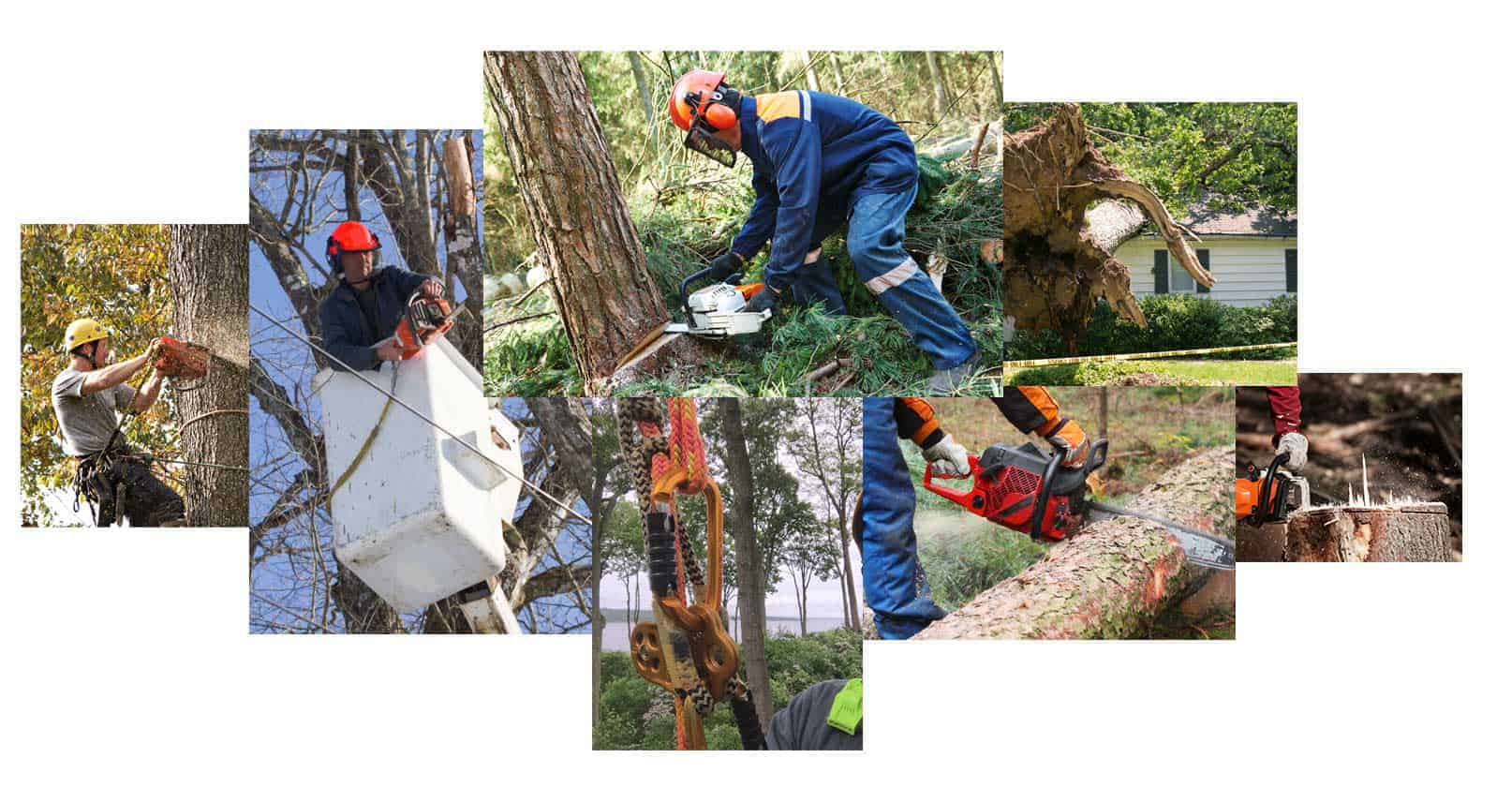
If you’re dealing with large branches, branches near power lines, or trees that show signs of disease, call a professional tree service. Pruning requires knowledge of tree biology, proper cutting techniques, and an understanding of how different species respond to cuts. A bad pruning job can do more harm than leaving the tree alone. Certified arborists know where to make cuts, how much to remove, and how to shape the tree for long-term health and stability. We also carry the insurance and equipment needed to work safely.
Which Service Does Your Tree Actually Need
So here’s the bottom line: tree trimming is about control and appearance. Tree pruning is about health and longevity. Your trees probably need both at different times, and sometimes for different reasons. If branches are crowding your house or blocking your view, you’re looking at a trimming job. If you’re seeing dead wood, signs of disease, or structural issues, that’s pruning territory.
In Suffolk County, where coastal weather and dense neighborhoods create unique challenges, professional tree care isn’t optional—it’s essential. The right service at the right time protects your property, keeps your trees healthy, and saves you money in the long run by preventing emergencies. Storm damage cleanup costs significantly more than preventive maintenance.
If you’re not sure what your trees need, talk to a certified arborist. We can assess your trees’ health, identify problems you might not see, and recommend a care plan that makes sense for your property and your budget. At Green Light Tree Services, we have the experience, certification, and local knowledge to handle both tree trimming and tree pruning with the expertise your trees deserve.