Summary:
Immediate Safety Steps After a Tree Falls
Your first job isn’t cleanup. It’s making sure everyone stays safe.
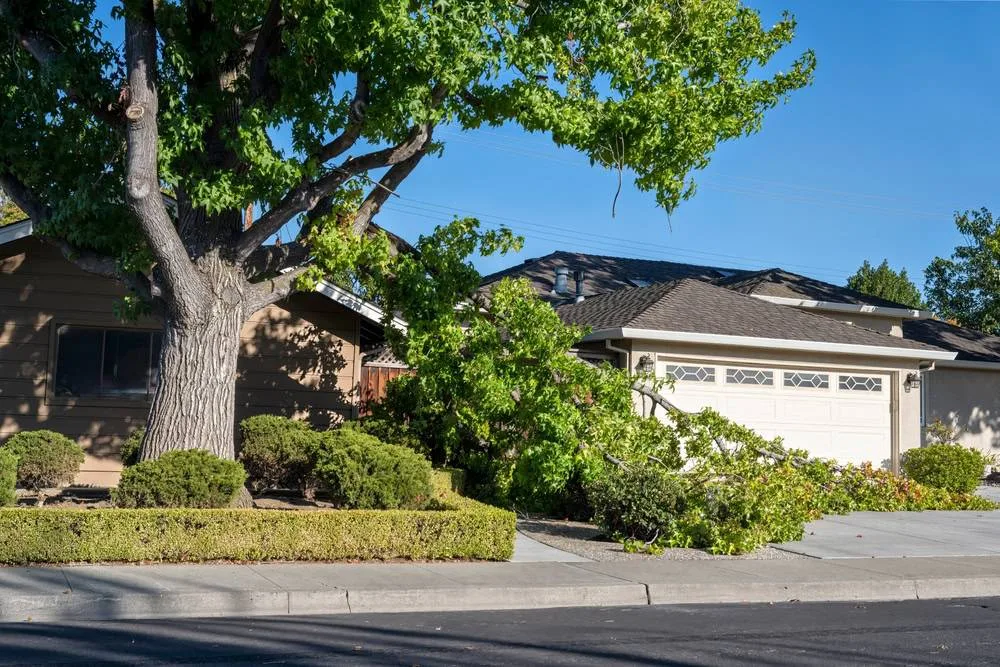
If the tree hit your house, get everyone out. Don’t assume the structure is stable just because it looks okay. A tree on your roof can compromise support beams, create hidden cracks, or damage gas and electrical lines you can’t see from inside.
Check for downed power lines before you go anywhere near the tree. Even if wires aren’t touching the tree now, they might be tangled in branches or lying in wet grass nearby. Assume any downed line is live. Call 911 if you see power lines down, then stay back at least 30 feet.
What Not to Do When a Tree Falls on Your House
The worst damage often happens after the tree falls, when property owners try to handle removal themselves.
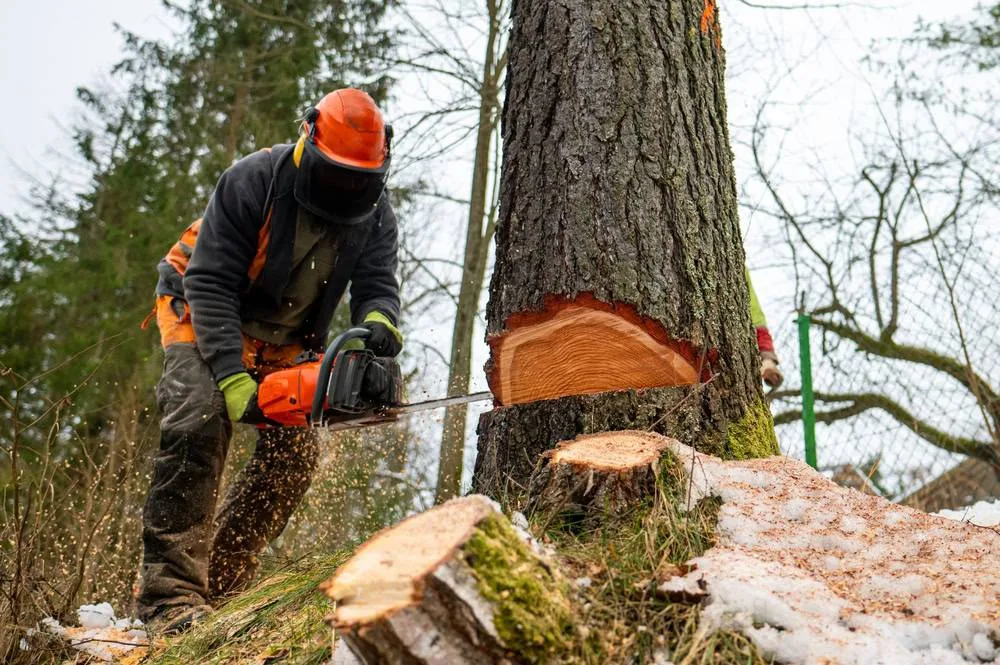
Don’t fire up a chainsaw and start cutting. A tree that’s fallen onto a structure is under tremendous tension and compression forces that shift as you cut. Professional arborists train for years to understand these forces. One wrong cut can send thousands of pounds of wood swinging in directions you didn’t expect, crushing whatever’s in the way—including you.
Don’t climb on your roof to assess damage or try to move branches. Your roof’s structural integrity is compromised. What looks stable might collapse under your weight. Let professionals with proper equipment and training make that assessment.
Don’t wait to document the damage. Take photos and videos from a safe distance as soon as possible. Your insurance company needs this documentation, and conditions change quickly. Rain causes additional water damage. Wind shifts the tree. You want proof of the initial impact and extent of damage.
Don’t touch the tree if it’s anywhere near power lines. Even if the lines look intact, the tree might have damaged them internally or pulled them loose from their connections. This isn’t a situation where “probably safe” is good enough. In Suffolk County, storms regularly bring down trees onto power lines. PSEG Long Island handles thousands of these calls, and they’ll tell you the same thing: stay back and call professionals.
Don’t assume you can wait a few days to deal with it. Trees on structures continue causing damage as long as they’re there. Weight compresses roofing materials. Branches puncture holes that let in water. The tree can shift during wind or rain, causing new damage. Emergency tree removal exists because these situations genuinely can’t wait.
The financial risks of DIY tree removal are significant too. If you cause additional damage while trying to remove the tree yourself, your insurance might not cover it. If you injure yourself or someone else, you’re looking at medical bills and potential liability. If you damage a neighbor’s property, that’s another insurance claim. Professional tree removal services carry liability insurance specifically because this work is inherently dangerous.
When to Call Emergency Tree Removal Services
Some situations require professional help immediately, not tomorrow or next week. Here’s when to make that call.
If a tree has fallen on your house, garage, shed, or any structure, that’s an emergency. The weight might be causing structural damage you can’t see. Even if it looks like minor damage, professionals need to assess whether it’s safe to enter the building and how to remove the tree without causing more problems.
Trees blocking your driveway or main access routes qualify as emergencies too, especially in Suffolk County where medical access matters. Many insurance policies actually cover removal costs when trees block essential access points, even if they haven’t damaged structures. That’s worth knowing if you’re worried about costs.
Leaning trees after storms need immediate professional assessment. If a tree is leaning more than 15 degrees toward your home, or if you see visible root lifting, large trunk cracks, or branches hanging over power lines, don’t wait. These trees can fall without warning, often during calm conditions when the compromised structure finally fails.
Trees that were partially uprooted but are still standing are deceptively dangerous. They look stable until they’re not. Suffolk County’s coastal winds and storms can bring these down suddenly. Professional tree services have the equipment and expertise to stabilize or remove these hazards before they cause damage.
Emergency tree removal in Suffolk County typically means response times of 2-4 hours under normal conditions. During major storm events like the nor’easters that hit Long Island every winter, response times extend because demand spikes. We prioritize situations that pose immediate threats to safety—trees on structures, vehicles, or blocking essential access.
The cost of emergency tree removal varies based on tree size, location, and complexity. In Suffolk County, you’re typically looking at $500 to $3,000 or more. Emergency situations can cost more due to urgency and after-hours response, but waiting often costs more in additional property damage. Get a written estimate that breaks down all costs including removal, cleanup, and disposal before work begins.
Working With Insurance After Tree Damage
Your insurance coverage depends heavily on what happened and what got damaged. Understanding these details helps set realistic expectations about what you’ll pay versus what insurance covers.
Most homeowners insurance policies cover tree removal when the tree damages a covered structure like your house, garage, or fence. That coverage typically caps at $500 to $1,000 per tree. If a tree falls in your yard without hitting anything, removal costs usually come out of your pocket unless it blocks access routes.
Contact your insurance company as soon as everyone is safe. Start the claims process immediately. The adjuster needs to see the damage before removal work begins, so don’t hire anyone to start cutting until you’ve documented everything and gotten guidance from your insurer.
How to Document Tree Damage for Insurance Claims
Proper documentation makes the difference between a smooth claim and a fight with your insurance company. Here’s what adjusters need to see.
Take photos and videos from multiple angles showing the tree, the damage, and the overall property. Get shots that clearly show where the tree was rooted, where it fell, and what it hit. Include photos of any property damage—roof damage, crushed vehicles, broken fences, or damaged landscaping.
Photograph the tree’s condition before it fell if possible. If you have older photos showing the tree was healthy, that helps establish this was an unpredictable event rather than negligence. Suffolk County homeowners who ignored dead or dying trees sometimes find their insurance won’t cover removal because the damage was foreseeable.
Document everything in writing. Note the date and time the tree fell, weather conditions, and what happened. If you heard cracking sounds beforehand or noticed the tree leaning, write that down. This information helps the adjuster understand the circumstances.
Keep all receipts related to the damage. If you need to tarp your roof to prevent water damage, save that receipt. If you stay in a hotel because your home isn’t safe, save those receipts too. Emergency damage control expenses are usually covered, but you need documentation.
Professional tree removal companies that work regularly with insurance claims can help with this documentation process. We know what adjusters need to see and can provide detailed assessments and damage reports that support your claim. This documentation proves the tree removal was necessary due to covered damage rather than routine maintenance.
Get multiple estimates for the removal work. Insurance companies appreciate this because it shows you’re being cost-conscious. Most reputable tree services in Suffolk County offer free estimates. Having two or three estimates helps ensure fair pricing and gives you negotiating room if the insurance company questions costs.
What Insurance Typically Covers for Fallen Trees
Understanding coverage limits helps you plan for out-of-pocket costs and avoid surprises during the claims process.
If a healthy tree falls during a storm from natural causes, whoever has the damage typically pays for it. That means when a neighbor’s tree falls on your house, you and your insurance company handle the costs. When your tree falls on a neighbor’s property, their insurance covers it. This seems counterintuitive, but that’s how most policies work.
The exception is when negligence is involved. If your tree was clearly dead or dying, and your neighbor had warned you it was dangerous, you might be liable for damage it causes. Homeowners have a responsibility to address hazardous trees on their property. Keep documentation if you’ve had trees professionally assessed or maintained—it proves you weren’t negligent.
Insurance typically doesn’t cover removal of trees that haven’t caused damage, even if they’re dead or dangerous. If you have a dead tree that needs to come down before it falls, that’s maintenance, not an insured event. This is why preventive tree removal often saves money in the long run—you avoid the emergency removal premium and potential property damage.
Trees blocking driveways or access routes sometimes get covered even without structural damage. Many policies recognize that blocked access creates legitimate problems, especially for medical emergencies or essential travel. Check your specific policy or ask your agent about this coverage.
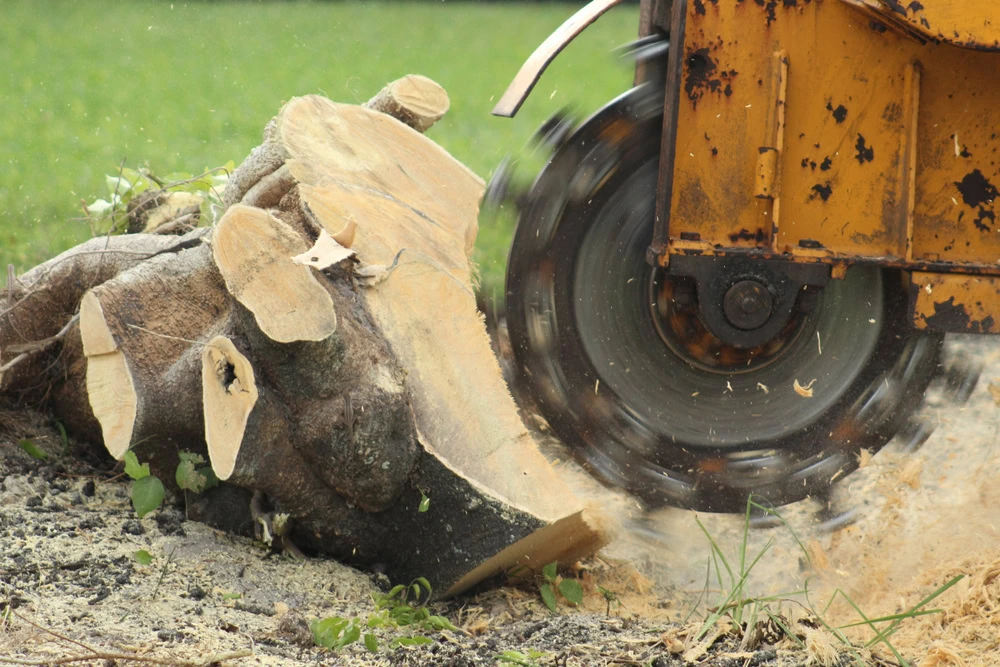
Stump grinding typically isn’t included in insurance coverage for tree removal. The insurance covers removing the hazard, but the stump left behind isn’t dangerous. If you want it ground out, expect to pay $100-400 additional depending on stump size. Most tree removal companies offer this as a separate service.
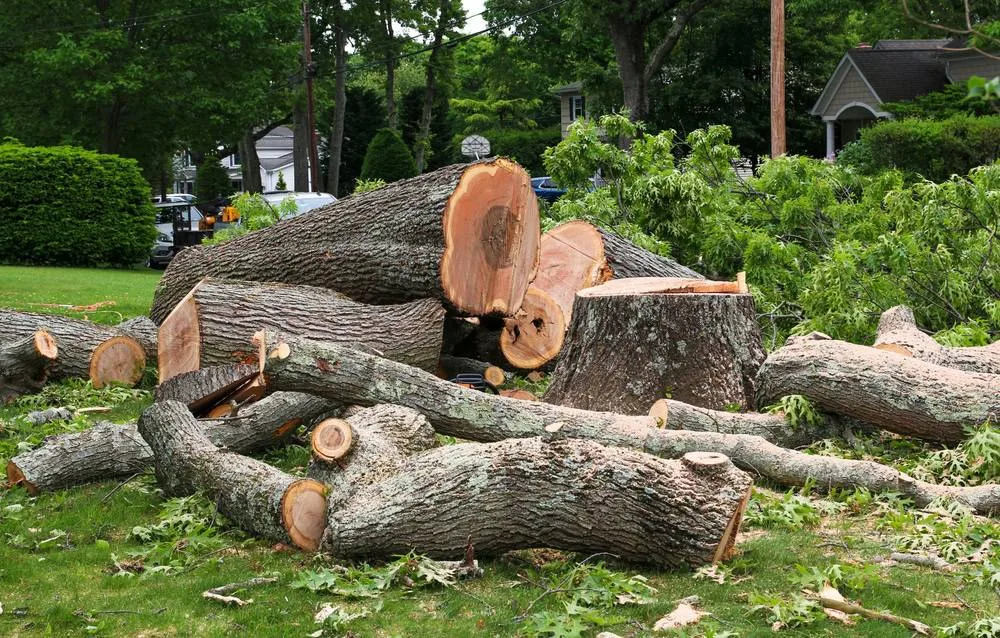
Debris cleanup and hauling are usually included in tree removal estimates. Make sure your estimate specifies this. You don’t want to pay for removal only to find out the company is leaving you with a massive pile of wood and branches to deal with.
If your home becomes uninhabitable due to tree damage, many policies cover temporary living expenses like hotel stays. This coverage has limits and time restrictions, so understand what your policy allows before you book an extended hotel stay.
Getting Professional Help for Emergency Tree Removal
When a tree falls on your Suffolk County property, speed matters, but so does choosing the right company. Licensed, insured professionals with certified arborists protect your property and your financial interests, especially when insurance claims are involved.
Look for companies with comprehensive liability insurance and workers’ compensation coverage. This protects you from liability if accidents occur during removal. Local Suffolk County experience matters too—companies familiar with the area understand coastal storm patterns, local tree species, and municipal regulations.
During emergencies, legitimate tree services provide written estimates, explain what’s included in their service, and coordinate with insurance companies. We don’t chase business door-to-door after storms or pressure you for immediate decisions. If you need emergency tree removal or professional assessment of storm damage, we provide the expertise and rapid response Suffolk County homeowners depend on during challenging times.