Tree Services in Holbrook, NY
Trees Down? We're Up for It
Professional tree services that keep your Holbrook property safe when Long Island storms hit hard.

Hear from Our Customers
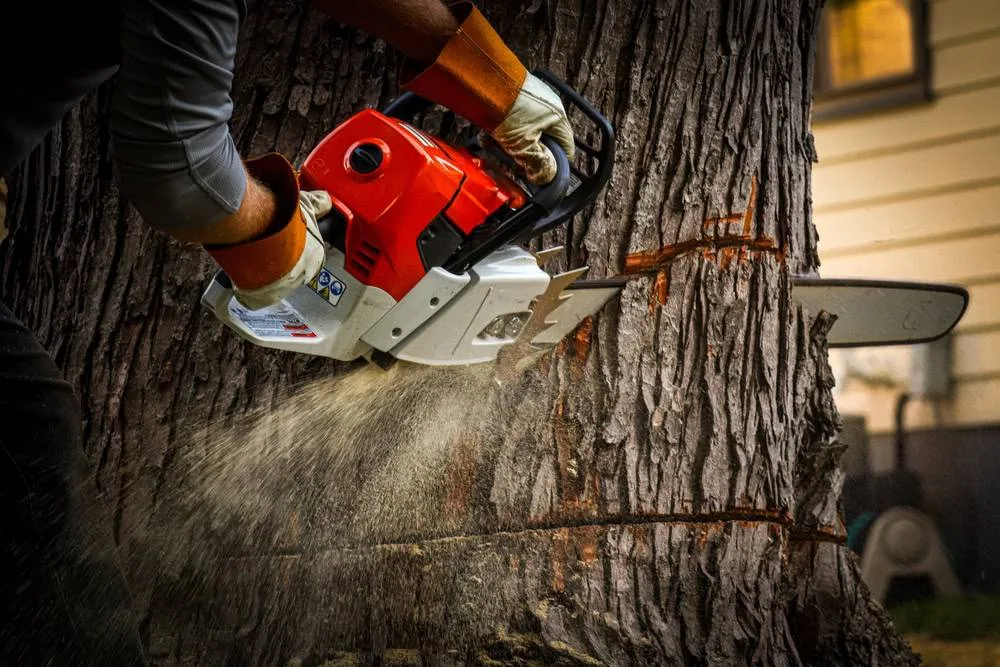
Professional Tree Care Holbrook
Your Property. Protected. Period.
When that massive oak finally comes down, you want it handled right the first time. No surprise charges, no cutting corners, no leaving you with a pile of debris to figure out.
You get licensed arborists who understand how nor’easters affect Long Island trees differently than storms inland. We know which species need attention before storm season and how salt air changes growth patterns near the coast.
Every job includes complete cleanup, proper disposal, and the peace of mind that comes from working with professionals who carry full liability insurance. Because one mistake on your property could cost you thousands.
Holbrook Tree Service Company
Local Knowledge. Real Results.
We’ve been keeping Holbrook properties safe for years, handling everything from routine maintenance to emergency storm cleanup across Suffolk County.
We’re not the guys who show up with a pickup truck and a ladder. Our team includes licensed arborists who live and work in this community. We’ve seen what those 60-mph wind gusts do to improperly maintained trees, and we know which warning signs most homeowners miss.
When Holbrook got hit with that record-breaking rainfall and wind damage, we were out there helping neighbors get their driveways cleared and their homes protected. That’s what local professionals do.
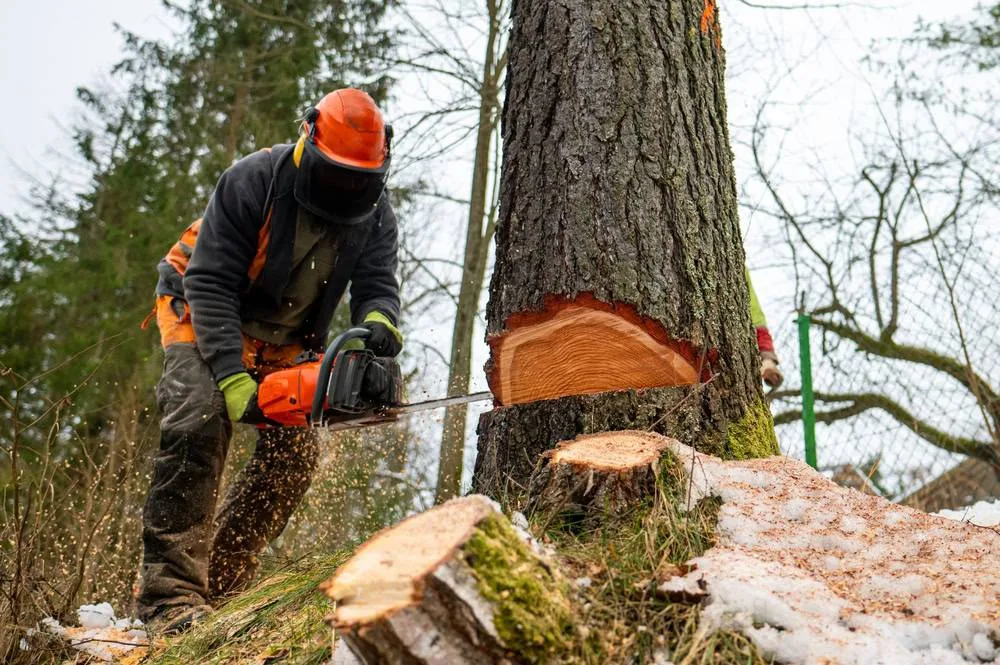
Tree Removal Process Holbrook
Straightforward Process. No Surprises.
First, we assess your trees and identify safety concerns, overgrowth issues, and health problems. You get a clear explanation of what needs attention and why, plus a detailed estimate with no hidden fees.
On service day, our certified arborists arrive with professional equipment and safety gear. We handle tree removal, trimming, or emergency response using proper techniques that protect your property and promote healthy growth for remaining trees.
Complete cleanup is included in every job. We handle debris removal, stump grinding if requested, and ensure your property looks better than when we arrived. We also take care of any required permits and ensure all work meets local Holbrook regulations.
Ready to get started?
Tree Services Offered Holbrook
Complete Tree Care Solutions
Our tree services cover everything from routine maintenance to emergency response. We handle tree removal when trees are dead, diseased, or positioned dangerously close to structures like those mature 54-foot trees common in Holbrook.
Tree trimming and pruning services include crown thinning to reduce wind resistance, deadwood removal to eliminate falling hazards, and clearance pruning to protect your home and vehicles. We also provide stump grinding to completely remove stumps left behind after removal.
For Holbrook properties, we often deal with storm damage from nor’easters and summer thunderstorms. Our emergency tree service responds when trees fall across driveways, damage roofs, or block access to your home. Regular maintenance helps prevent problems before they start, keeping trees healthy and reducing branch failure risk during storms.
How much does tree removal cost in Holbrook, NY?
Tree removal costs depend on the tree’s size, location, and how difficult it is to access safely. A small tree in an open area might cost a few hundred dollars, while a large oak near power lines or close to your house could cost several thousand.
We provide free estimates that break down exactly what’s included – the removal, stump grinding if requested, and complete cleanup. The estimate covers everything so you won’t get surprised by extra charges later. Most Holbrook homeowners find our pricing fair and transparent compared to other local tree companies.
Do you provide emergency tree service during storms?
Yes, we respond to emergency calls when trees fall during storms or high winds. We understand that fallen trees can block driveways, damage roofs, or create safety hazards that need immediate attention.
Our emergency service prioritizes safety first – we’ll secure the area and remove immediate dangers, then complete the full cleanup once conditions are safe. We’ve handled emergency response during major Long Island storms, including those 60-mph wind events that regularly impact Holbrook properties.
Should I try to trim my own trees?
Small pruning jobs on young trees might be manageable for homeowners, but anything involving ladders, power tools, or trees near structures should be left to professionals. Improper pruning can damage trees permanently and create safety hazards.
Large branches can fall unpredictably, and many homeowners underestimate how heavy tree limbs are. There’s also the risk of hitting power lines or damaging property. Licensed arborists know how to prune trees properly to promote healthy growth while maintaining safety. The cost of professional service is usually much less than dealing with property damage from DIY tree work gone wrong.
What are warning signs that a tree needs professional attention?
Warning signs include dead or dying branches, cracks in the trunk, mushrooms growing at the base, or trees leaning significantly toward structures. If you notice branches falling regularly, bark peeling off in large sections, or the tree looking sparse compared to previous years, it’s worth having an arborist take a look.
Other signs include branches touching your roof or power lines, areas where the canopy has become too dense, or any branch that makes you nervous when the wind picks up. Given Holbrook’s history with severe weather events, it’s better to address potential problems before storm season hits.
Do you handle permits for tree work in Holbrook?
Yes, we handle all permit applications when necessary and ensure your tree work complies with local Holbrook regulations. Our familiarity with local requirements means you don’t have to navigate the bureaucracy yourself or worry about compliance issues down the road.
Different types of tree work may require different permits, especially for larger trees or work near property lines. We know which situations require permits and take care of the paperwork as part of our service, so you can focus on other things while we handle the details.
When is the best time for tree trimming in Holbrook?
Late fall through early spring is ideal for most tree trimming because trees are dormant and won’t experience stress from pruning. This timing also lets you prepare for storm season by removing weak branches before they become hazards during those nor’easters that regularly hit Long Island.
However, emergency trimming can’t wait for the perfect season – if branches threaten your home or safety, we handle those situations immediately. Dead or diseased branches should be removed as soon as they’re identified, regardless of season, to prevent the problem from spreading to healthy parts of the tree.