Summary:
Why Long Island Weather Is So Hard on Trees
Suffolk County sits in a perfect storm zone. Literally. You’ve got the Atlantic Ocean to the south, Long Island Sound to the north, and every coastal storm system moving up the East Coast passes right through your backyard.
The combination is brutal on trees. Nor’easters bring sustained winds that can gust over 60 mph. Hurricanes and tropical storms pack even more punch. Add in the saturated soil from heavy rainfall, and you’ve created perfect conditions for tree failures.
Your trees aren’t just dealing with wind. Salt air from the ocean weakens tree structure over time, penetrating miles inland through communities like Babylon, Huntington, and Smithtown. Sandy soil limits how deep roots can anchor. And the population density here means trees often grow in compromised conditions, competing for space and dealing with construction damage to root systems.
What Nor'Easters and Hurricanes Do to Suffolk County Trees
Nor’easters hit Long Island hardest during winter months, often back-to-back. The 2023-2024 winter season saw consecutive storms rip through the area, causing widespread tree damage across Suffolk County from Riverhead to Montauk. These storms bring a dangerous mix of high winds, heavy rain, and sometimes ice that tests even healthy trees.
Hurricane season runs June through November, and Eastern Long Island doesn’t get a pass. Hurricane Irene in 2011 and Superstorm Sandy in 2012 caused major damage across the region. Sandy alone destroyed or severely damaged approximately 100,000 residences on Long Island, with downed trees and dangling branches forcing the closure of all state parks until crews could clear the damage.
The pattern is predictable but still devastating. Storm systems moving up the coast bring sustained winds that test tree structure. Heavy rains saturate the soil, loosening root systems. Then the wind hits, and trees that might have survived one factor can’t handle both at once.
Different tree species fail in different ways during storm tree damage on Long Island. Shallow-rooted trees like willows and poplars often uproot completely during high winds. Oaks and maples tend to lose large branches or split at weak points in the trunk. Ice storms are particularly dangerous because they add massive weight to branches that weren’t designed to carry it.
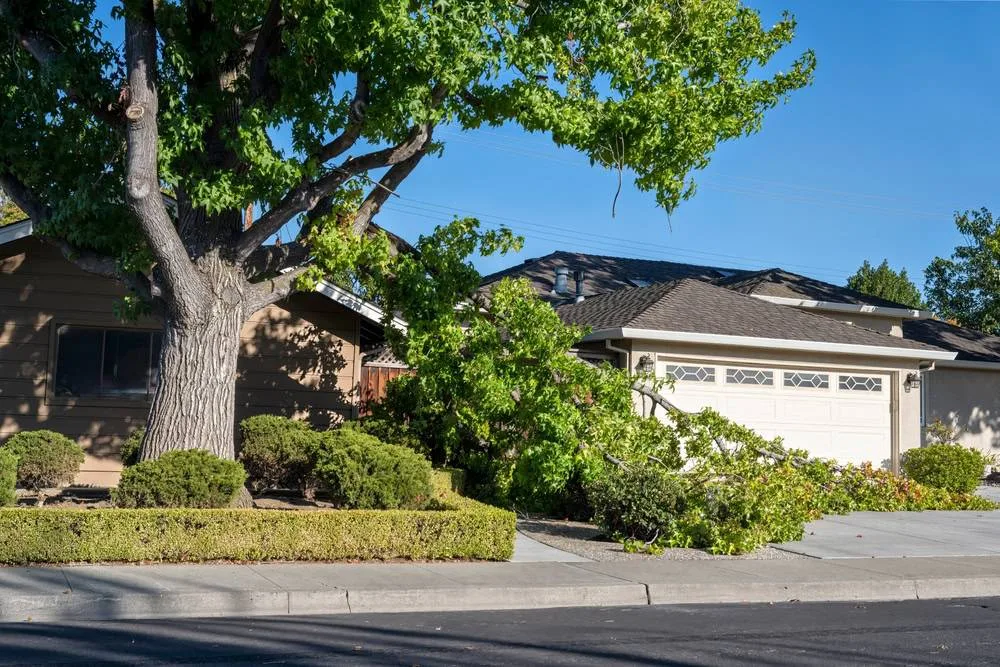
Properties with mature trees near structures face the highest risk. A single large limb falling can puncture a roof, leading to more than $10,000 in structural repairs and water damage. Trees that haven’t received regular maintenance to remove dead wood and reduce wind resistance become even more vulnerable when storms hit.
The reality is that Suffolk County’s 1.5 million residents live in one of the most tree-dense suburban areas in New York. Neighborhood density means tree problems rarely affect just one property. A diseased tree can spread infections to neighboring trees, while falling branches can damage multiple homes, vehicles, and utility lines in a single storm event. That’s why emergency tree services near you become critical infrastructure during major weather events.
Signs Your Trees Won't Survive the Next Storm
Most homeowners don’t realize their trees are vulnerable until it’s too late. Trees give warning signs, but you need to know what you’re looking at.
Dead or dying branches are the most obvious red flag. If you’re seeing significant branch death outside of normal seasonal changes, your tree is telling you something important. Dead branches don’t just look bad, they’re accidents waiting to happen. They lose their bark, show no new growth, and have brown, brittle leaves. These branches become increasingly unstable and can fall without warning, not just during storms but on calm days when the compromised structure finally gives way.
Look at your tree’s trunk. Healthy bark should be relatively uniform in color and texture for that species. Cracks, splits, missing sections, or unusual growths signal your tree is under serious stress. Fungal growth at the tree base often indicates internal rot that you can’t see from the outside.
Leaning trees pose serious risks, particularly after previous storms when root systems may have been compromised. A tree leaning more than 15 degrees toward your home needs immediate professional assessment. The same goes for trees with visible root lifting, large cracks in the trunk, or branches hanging over power lines.
Pay attention to trees that were partially uprooted but are still standing. These are deceptively dangerous because they can fall without warning, often during calm conditions when the compromised structure finally gives way. The root system has already failed, it’s just a matter of time before gravity wins.
Trees that survived previous storms might have hidden damage that makes them more likely to fail in future weather events. A homeowner in Commack learned this the hard way when she ignored a large dead limb on her maple tree. During an ice storm, the limb accumulated so much ice weight that it tore away from the trunk, taking healthy branches with it and leaving a gaping wound in the tree.
In Suffolk County, where sandy soils and occasional flooding are common, root problems can develop quickly without obvious surface signs. Soil erosion, root rot, or construction damage can compromise the root system’s ability to anchor the tree properly. Our arborists use specialized tools to assess internal tree structure and root health without causing damage.
The coastal location creates additional stress factors that most homeowners don’t recognize until it’s too late. Salt air from the Atlantic penetrates inland for miles, gradually weakening tree cellular structure and making them more susceptible to disease and storm damage. Combined with sandy soil conditions that limit deep root development, your trees face challenges that require professional assessment and care before the next storm season arrives.
How to Prepare Your Trees Before Storm Season
The best time to deal with storm damage is before it happens. Preventative maintenance isn’t just about keeping your yard looking nice, it’s about protecting your property investment and your family’s safety.
Regular tree trimming is your first line of defense against storm tree damage. Removing dead, diseased, or crossing branches reduces the likelihood of breakage during storms and encourages healthy growth. But timing matters. Late winter pruning before bud break allows trees to heal quickly and direct energy toward healthy growth.
Our arborists understand species-specific pruning requirements that maximize tree health and longevity. Oak trees require different pruning techniques than maples, and timing is critical to prevent disease transmission during active growth periods.
Pre-Storm Tree Maintenance That Actually Works
Crown thinning is particularly effective for summer storm preparation. By selectively removing interior branches, you allow wind to pass through the canopy rather than pushing against it like a solid wall. This technique reduces wind resistance while maintaining the tree’s natural shape and structural integrity.
The goal isn’t to strip trees bare. It’s to reduce wind resistance while maintaining tree health. This means removing branches that create sail effects, eliminating crossing branches that can break under stress, and ensuring proper weight distribution throughout the canopy. Our arborists understand how wind moves through different tree species and can identify which branches are most likely to fail when high winds hit.
Before hurricane season, which runs June through November, schedule inspections for your large trees. Trees that survived previous storms might have hidden damage that makes them more likely to fail in future weather events. Before winter, removing dead branches prevents ice buildup that can cause catastrophic branch failure during nor’easters.
Regular inspections allow you to address potential issues before they become serious problems requiring emergency tree services. During inspections, look for dead branches, cracks in the trunk, and leaning trees. Dead branches are more likely to break off during a storm. Cracks can indicate structural weaknesses. Leaning trees may have compromised root systems, making them more prone to toppling over onto your home or car.
Keep trees properly watered and fertilized to maintain their health and storm resistance. Drought-stressed trees are more susceptible to disease and structural failure. Healthy trees with strong root systems and proper structure can withstand much more severe weather without failing.
Consider the location of trees relative to your home, power lines, and access routes when planning new plantings. Choose species appropriate for Long Island’s climate and soil conditions, and plant them far enough from structures to accommodate their mature size. Native species typically handle local weather patterns better than exotic varieties that weren’t designed for coastal storm conditions.
Check your roof for loose shingles, clean your gutters, and trim back trees near your home. Securing outdoor furniture and equipment can prevent them from becoming projectiles in high winds. Taking these steps now can prevent the need for major storm damage tree cleanup later.
What to Do Immediately After Storm Damage Strikes
You wake up to branches scattered across your yard, a tree leaning dangerously toward your house, or worse, a massive oak blocking your driveway. Storm damage doesn’t wait for convenient timing, and neither should your response. The first few hours after a storm can make the difference between a manageable cleanup and a costly disaster.
First, stay safe. Don’t go outside until the storm has completely passed. If you see any downed wire, stay away and call your utility company immediately. Assume all downed wires are live and dangerous. Keep yourself and others a safe distance away from any broken power lines.
Survey the area for downed power lines before approaching any fallen trees or branches. Stay far away, assume the line is live, and call the power company immediately. Do not attempt to move or go near debris that’s tangled with wires. This is when you need emergency tree services near you, not DIY attempts that could get you killed.
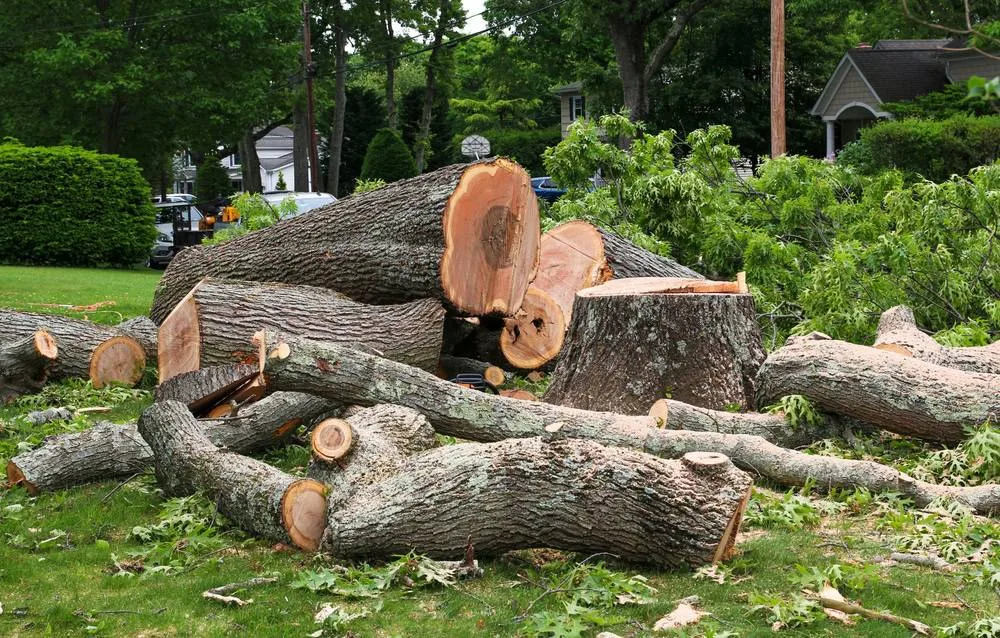
Assess potential danger before approaching a fallen tree. Look for downed wires or limbs in overhead wires. Remove only those limbs that are blocking access to your home or vehicle or are posing an immediate danger to people or property. Leave large tree removal and complex situations to professionals with proper equipment.
Contact your insurance company as soon as it’s safe to do so, but don’t wait for an adjuster to begin emergency repairs. Most policies allow you to take reasonable steps to prevent further damage, such as removing trees from roofs or covering broken windows. Just document everything and keep receipts for your claim.
Understanding your coverage limits helps set expectations. Most homeowners insurance policies cap tree removal at $500 to $1,000 per tree, and only cover removal when trees damage covered structures. If a tree falls in your yard without hitting anything, removal costs typically come out of your pocket unless it blocks access routes.
Take detailed photos of all damage before any cleanup begins. Document the tree’s position, damage to structures, and the overall scene from multiple angles. This documentation is critical for insurance claims and helps us assess the situation when you call for emergency tree services.
Leaning trees pose serious risks, particularly after storms when root systems may be compromised. A tree leaning more than 15 degrees toward your home needs immediate professional assessment. The same goes for trees with visible root lifting, large cracks in the trunk, or branches hanging over power lines.
Don’t wait if you notice trees that were partially uprooted but are still standing. These are deceptively dangerous because they can fall without warning, often during calm conditions when the compromised structure finally gives way. We have the equipment and expertise to safely stabilize or remove these hazards before they cause additional damage to your property.
Getting Professional Storm Damage Help in Suffolk County
Storm recovery takes time, but the right approach gets you back to normal as quickly and safely as possible. Start with safety and emergency repairs, then work systematically through cleanup and restoration. Don’t rush the process, hasty decisions often lead to bigger problems later.
The right tree service company makes storm recovery much less stressful. Look for licensed, insured companies with certified arborists who understand Long Island’s unique weather challenges and tree species. Local companies often respond faster during storm season because they’re already familiar with the area and can mobilize quickly.
Remember that prevention is always less expensive than emergency response. Regular tree maintenance, proper pruning, and addressing problems early can prevent many storm damage situations entirely. When you do need emergency tree services, we provide the expertise and rapid response that Suffolk County homeowners depend on during challenging times.