Summary:
Do Trees Actually Increase Property Value?
Yes, and the numbers back it up. Research from the Arbor Day Foundation shows that mature, well-maintained trees can increase property values anywhere from 3% to 15%. In Suffolk County, where the average home is worth over $400,000, that translates to $12,000 to $60,000 in added value.
But there’s a catch. Not all trees add value. Overgrown, diseased, or poorly placed trees can actually hurt your property’s worth and scare off buyers. The difference comes down to maintenance and strategic care from a professional arborist who understands Long Island conditions.
Homes with healthy trees also sell faster—up to 1.7 times quicker than properties without them, according to real estate data. When buyers tour your home, mature trees signal stability, beauty, and a well-cared-for property. That first impression matters more than most homeowners realize.
How Tree Health Affects Curb Appeal and First Impressions
Curb appeal isn’t just about fresh paint and mowed lawns. Your trees frame your entire property, and buyers notice their condition before they even step out of the car. A well-pruned tree with a strong structure and healthy canopy tells potential buyers that the home has been maintained. Dead branches, leaning trunks, or overgrown limbs send the opposite message.
In Suffolk County’s competitive real estate market, where homes are selling for significant sums, small details make a big difference. Professional tree trimming creates clean lines and balanced shapes that enhance your home’s architectural features. It opens up sightlines, lets in natural light, and makes your property feel more spacious and inviting.
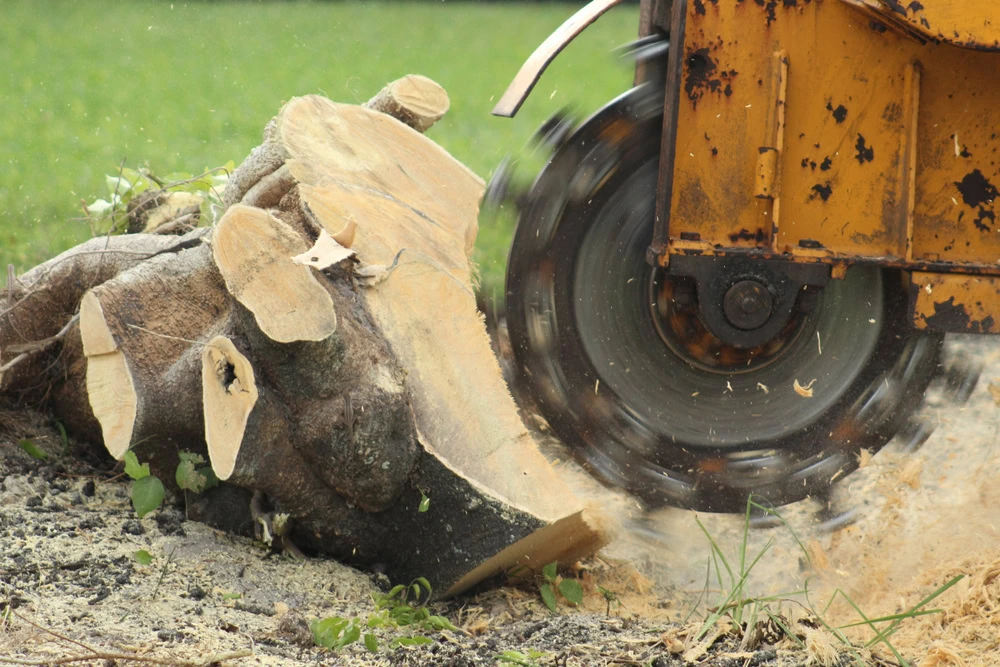
Tree care also prevents the eyesores that drag down property appeal. Stumps left behind from old removals, diseased branches dropping debris, or trees crowding your home’s exterior all hurt your chances of a strong sale. Professional tree service can address these issues before they become deal-breakers for buyers.
Beyond aesthetics, healthy trees signal lower risk. Buyers and their inspectors look for hazards—trees too close to the foundation, branches over the roof, or signs of disease that could mean expensive removals down the line. When your trees are professionally maintained, you remove those concerns and make your home a safer bet.
The best part? These improvements don’t require a full landscape overhaul. Strategic pruning, removal of dead wood, and stump grinding can transform your property’s appearance in a single service visit. For homeowners planning to sell within the next few years, it’s one of the highest-return investments you can make.
Energy Savings: How Trees Lower Your Utility Bills
Trees don’t just look good—they work. Strategically placed trees can cut your energy costs by up to 25% annually, according to environmental research. In Suffolk County, where summers get hot and winters bring cold coastal winds, that adds up fast.
Shade trees planted on the south and west sides of your home block intense afternoon sun during summer months. That means your air conditioner doesn’t have to work as hard, and your indoor temperature stays more comfortable without cranking the thermostat. A mature tree provides the cooling equivalent of multiple air conditioning units running simultaneously.
In winter, evergreen trees act as windbreaks, reducing the amount of cold air that hits your home and lowering heating costs. Deciduous trees lose their leaves, allowing sunlight to warm your home naturally during colder months. It’s a year-round benefit that compounds over time.
For buyers, energy efficiency is a selling point. Homes with lower projected utility costs are more attractive, especially as energy prices continue to rise. When you can point to mature trees as part of your home’s energy strategy, it adds tangible value that buyers understand and appreciate.
But energy savings only happen if your trees are healthy and properly positioned. Overgrown branches that block airflow or trees planted too close to your home can actually increase energy costs by trapping heat or creating moisture problems. A certified arborist can assess your property and recommend pruning or planting strategies that maximize energy benefits.
Tree maintenance also prevents the energy drain that comes from emergency repairs. A fallen tree that damages your roof or HVAC system doesn’t just cost thousands in repairs—it disrupts your home’s energy efficiency for weeks or months while repairs are made. Preventive tree care eliminates that risk and keeps your home running efficiently.
The long-term financial impact is significant. Between direct energy savings and increased property value, well-maintained trees pay for themselves many times over. For Suffolk County homeowners dealing with high property taxes and living costs, that return on investment matters.
What Professional Tree Maintenance Actually Includes
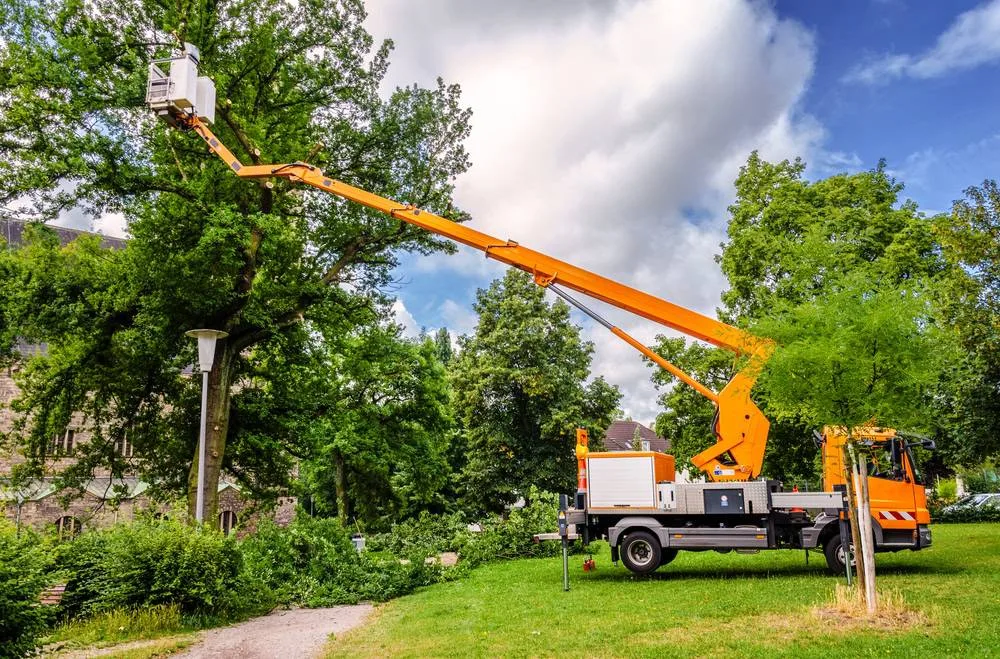
Professional tree care goes beyond occasional trimming. It’s a comprehensive approach that addresses tree health, safety, and aesthetics based on Long Island’s specific conditions. Certified arborists assess each tree’s species, age, structure, and environment to create a maintenance plan that protects your investment.
Regular pruning removes dead or diseased branches before they become hazards. It also shapes the tree’s canopy to promote healthy growth and prevent structural problems down the line. For mature trees, this means maintaining their value and beauty for decades. For younger trees, it means establishing strong growth patterns that will pay off as they mature.
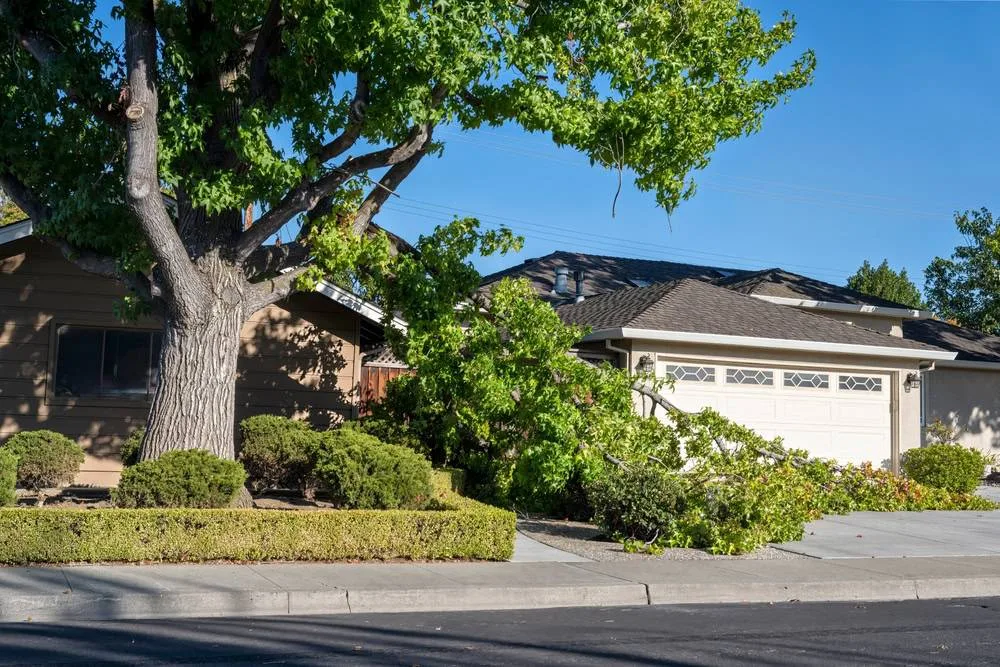
Storm preparation is critical in Suffolk County. Long Island’s coastal location means nor’easters, hurricanes, and high winds are regular threats. We identify weak branches, structural issues, and trees that pose risks to your home during severe weather. Addressing these problems before a storm hits can save you thousands in emergency repairs and insurance claims.
When Tree Removal Protects Your Property Value
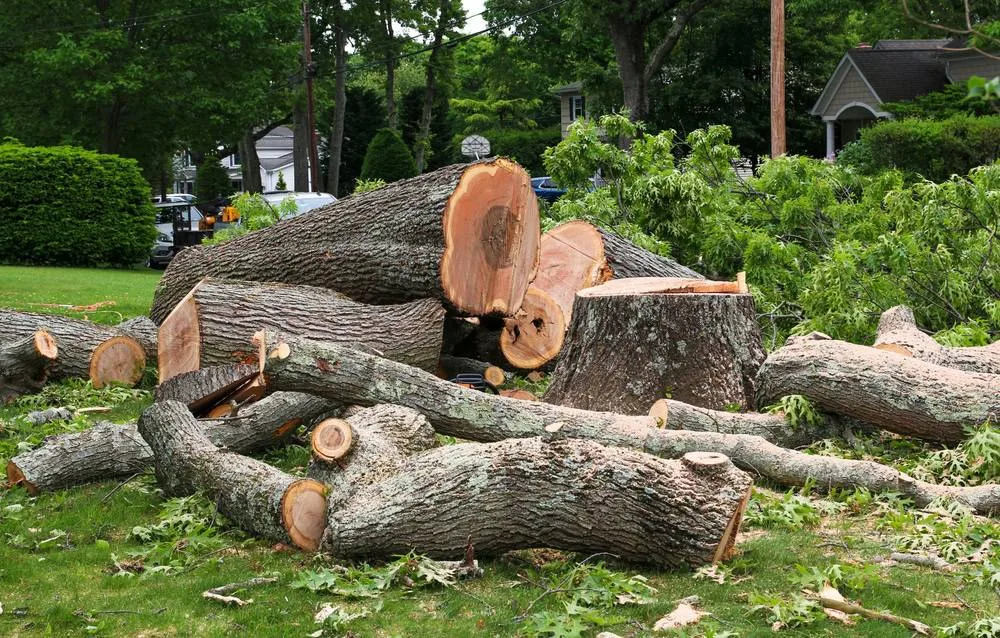
Not every tree is worth saving. Sometimes removal is the smartest investment for your property’s value and safety. Dead or dying trees pose immediate risks—they can fall on your home, car, or power lines without warning. Trees with significant disease or pest infestations can spread problems to healthy trees, multiplying your costs and risks.
Trees planted too close to your foundation can cause structural damage as roots grow and expand. They can crack foundations, damage underground utilities, and create moisture problems that lead to mold and rot. In these cases, removal isn’t just recommended—it’s necessary to protect your home’s integrity and value.
Overgrown trees that block views, create excessive shade, or crowd other plants can also hurt your property’s appeal. Buyers want light, open spaces, and trees that enhance rather than dominate the landscape. Strategic removal opens up your property and often increases value more than keeping struggling or poorly placed trees.
The key is professional assessment. A certified arborist can tell you which trees add value and which ones are liabilities. We understand local tree species, growth patterns, and how Suffolk County’s climate affects long-term tree health. That expertise prevents costly mistakes and ensures you’re making decisions that protect your investment.
Tree removal also needs to be done safely and completely. DIY removal or hiring unlicensed services can lead to property damage, injuries, and legal liability. We have the equipment, insurance, and training to remove trees safely, grind stumps below ground level, and leave your property clean and ready for whatever comes next.
After removal, you have options. You can plant new trees in better locations, expand your lawn or garden space, or redesign your landscape to better suit your home’s architecture and your family’s needs. We can guide those decisions and help you maximize the value of your outdoor space.
The cost of professional removal is an investment in your property’s future. It eliminates hazards, improves aesthetics, and creates opportunities for improvements that increase value. For homeowners planning to sell, it can be the difference between a quick sale at asking price and a property that sits on the market with price reductions.
How Regular Tree Care Prevents Expensive Emergencies
Emergency tree removal in Suffolk County can cost anywhere from $1,000 to $5,000 or more, depending on the size of the tree and the damage involved. Insurance may cover some costs, but deductibles, rate increases, and uncovered damages add up fast. Regular maintenance costs a fraction of that and prevents emergencies before they happen.
Routine pruning identifies weak branches and structural problems while they’re still manageable. Removing a dangerous branch during a scheduled service visit might cost a few hundred dollars. Waiting until it falls through your roof during a storm costs thousands in tree removal plus repairs to your home.
Long Island’s weather makes preventive care especially important. Coastal storms bring high winds, heavy snow, and ice that test tree strength every year. Trees that haven’t been properly maintained are far more likely to fail during severe weather. We know how to prepare trees for storm season and reduce your risk of damage.
Regular inspections also catch diseases and pest infestations early, when treatment is still possible. Left untreated, these problems spread to other trees and eventually require multiple removals. Early intervention saves trees, saves money, and protects your property’s overall value.
The peace of mind factor matters too. Homeowners who invest in regular tree care don’t lie awake during storms wondering if a tree will hit their house. They don’t worry about liability if a branch falls on a neighbor’s property or a passing car. Professional maintenance eliminates those concerns and lets you enjoy your property instead of stressing about it.
For homeowners planning to sell, a history of professional tree care is a selling point. It shows buyers that the property has been well-maintained and that they won’t inherit deferred maintenance or hidden problems. That confidence can translate to stronger offers and smoother transactions.
The economics are straightforward. Spending $300 to $800 annually on professional tree maintenance prevents $1,000 to $5,000 emergency costs and protects property value that can be worth tens of thousands of dollars. It’s not an expense—it’s an investment with a clear, measurable return.
Making Tree Care Work for Your Property Value
Your trees are either adding value to your Suffolk County home or costing you money. The difference comes down to their condition and how well they’re maintained. Professional tree care isn’t just about keeping your yard looking nice—it’s about protecting and increasing one of your biggest financial investments.
The numbers are clear. Well-maintained trees can add thousands to your home’s value, cut your energy costs by 25% or more, and help your property sell faster when the time comes. But those benefits only happen with regular, professional maintenance from certified arborists who understand Long Island’s unique conditions.
Whether you’re planning to sell soon or staying put for years, investing in your trees pays off. At Green Light Tree Services, we bring certified expertise and comprehensive service to Suffolk County properties, helping homeowners protect and increase their property value through expert tree care.