Summary:
You’re staring at your overgrown oak tree wondering if now’s the right time to trim it. Spring looks nice, but you’ve heard something about disease risk. Winter seems harsh. Summer feels too hot. And that maple is blocking your view but you don’t want to hurt it.
Timing isn’t just about convenience. Prune at the wrong time and you’re inviting pests, wasting the tree’s stored energy, or opening the door to infections that kill the tree entirely. Long Island’s coastal conditions make timing even more critical than inland areas.
This guide walks you through exactly when to prune different trees in Suffolk County, NY, why certain windows matter, and how to avoid the mistakes that turn routine maintenance into expensive tree removal projects.
Why timing matters for tree pruning in Suffolk County
Your trees operate on biological schedules that don’t care about your weekend plans. Cut at the wrong time and you’re forcing the tree to respond when it should be resting, growing, or preparing for winter.
Late winter to early spring works for most trees because they’re dormant. No leaves means you can see the actual structure. No active growth means the tree isn’t wasting energy trying to heal while also pushing out new shoots. And critically, pests and diseases are mostly inactive during cold months.
But Suffolk County adds complications most pruning guides ignore. Coastal salt spray weakens trees over time. Humid summers breed fungal problems in dense canopies. Nor’easters test structural integrity every winter. Your timing needs to account for these stresses, not just the calendar.
Late winter to early spring pruning benefits
February through early April gives you the sweet spot for most deciduous trees in Suffolk County, NY. The ground might still be frozen, but that’s actually helpful since equipment won’t tear up your lawn.
Without leaves blocking your view, you can spot problems invisible during summer. Dead branches stand out. Crossing limbs that rub and create wounds become obvious. Weak attachment points show themselves. You’re not guessing which branches need attention.
The tree heals faster when pruned during dormancy. All that stored energy goes toward sealing wounds instead of supporting leaves. Faster healing means less time for decay fungi to establish. The wounds close before spring rains and humidity create perfect conditions for infection.
Pests stay dormant too. The beetles that spread oak wilt aren’t active in February. Fungal spores aren’t floating around looking for fresh cuts. You’re working when the tree’s natural enemies are inactive, giving it the best chance to recover without complications.
When spring arrives, your tree responds with vigorous growth exactly where you want it. Strategic cuts redirect energy to healthy branches. Removing dead weight lets the tree focus resources on productive growth. You’re setting up the tree for a strong growing season instead of forcing it to waste energy healing during its busiest months.
One practical advantage most homeowners overlook: winter pruning fits better into your tree care budget. You’re not competing with peak-season landscaping projects. Tree services have more availability. Frozen ground supports heavy equipment without creating ruts. And you’re addressing problems before they become emergencies during summer storms.
Species-specific timing for Long Island trees
Not every tree follows the same schedule. Oaks demand winter-only pruning in Suffolk County, NY. Period. November through February is your window. Prune an oak between April and July and you’re risking oak wilt, a fungal disease that kills the tree and may require complete tree removal.
The beetles that spread oak wilt are active during warm months. They’re attracted to fresh pruning cuts. One infected beetle landing on your fresh cut can doom a tree that’s stood for decades. Red oaks die within weeks once infected. Even white oaks, which resist better, suffer for years. Winter pruning eliminates this risk entirely because the beetles aren’t active.
Maples can be pruned late winter but they “bleed” sap if you wait until March or April. The sap flow looks alarming but won’t harm the tree. If the mess bothers you, prune in January or February before sap starts moving. Or wait until leaves are fully out in late spring, after the initial sap surge passes.
Spring-flowering trees like dogwoods, cherries, and lilacs need different treatment. They set next year’s flower buds on this year’s growth. Prune them in late winter and you’re cutting off this spring’s flowers. Wait until right after they bloom, then prune. You’ll still get next year’s show because new growth has all summer and fall to develop flower buds.
Pines and other conifers handle mid to late summer pruning better than winter work. They don’t go fully dormant like deciduous trees. Prune pines in July or August after new growth hardens off. You’re removing “candles” that have matured but before fall dormancy begins. Don’t over-prune conifers though. They don’t regenerate from old wood like maples or oaks.
Evergreens like arborvitae, holly, and boxwood tolerate pruning nearly year-round, but late winter before spring growth still works best. Avoid late fall pruning on these since new growth won’t harden before winter. And never prune evergreens during extreme heat or cold stress periods.
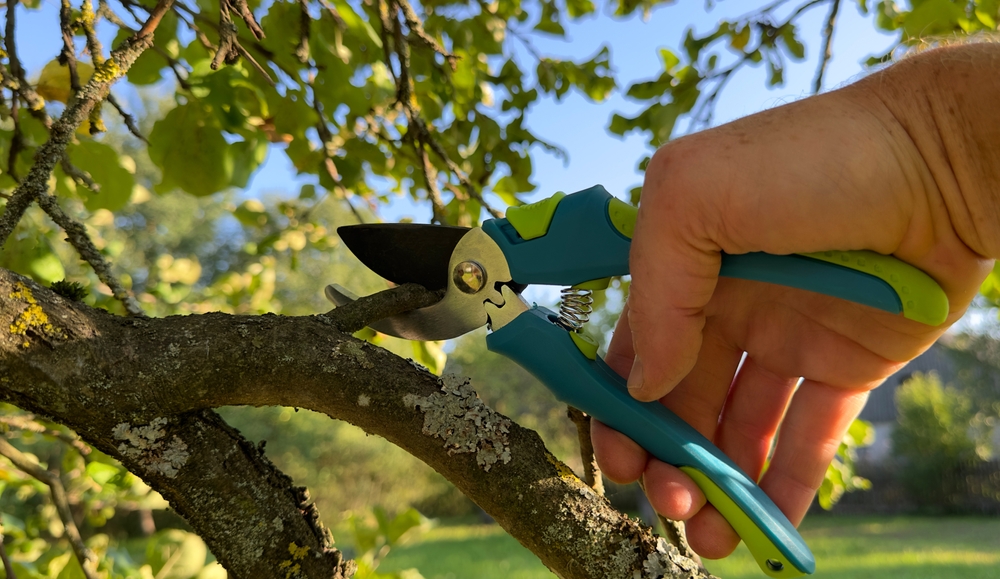
Fruit trees want late winter pruning before bud break. February through early March works in Suffolk County. You’re shaping the tree and removing dead wood before it puts energy into leaves and fruit. Late winter cuts on fruit trees encourage strong fruiting wood for the coming season.
When emergency pruning overrides seasonal rules
Sometimes you can’t wait for the ideal pruning window. A branch cracks during a storm and hangs over your roof. Ice damage leaves a limb dangling by bark threads. A branch falls and blocks your driveway. These situations demand immediate tree removal or pruning.
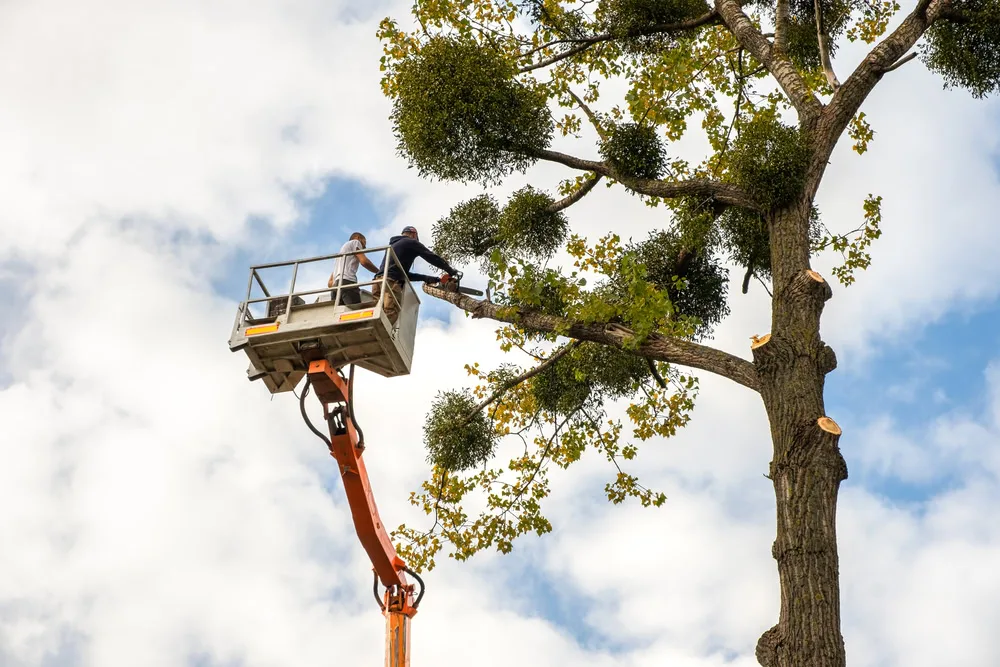
Dead, broken, or hazardous branches get removed immediately regardless of season. The risk of property damage or injury outweighs timing concerns. A hanging branch doesn’t care that it’s June and you should wait until winter.
Storm damage cleanup happens when it needs to happen. After a nor’easter tears through Suffolk County, you’re not waiting months to address dangerous situations. We handle emergency work year-round because safety trumps optimal timing.
How to minimize risk during off-season pruning
If you must prune oaks during spring or summer due to storm damage or hazardous conditions, immediately paint the cuts with latex house paint. Within 15 minutes of making the cut, brush paint over the exposed wood. This creates a barrier that reduces beetle attraction to the fresh wound.
The paint doesn’t help trees heal. It just blocks the scent that attracts oak wilt beetles. For emergency oak work between April and July, this step isn’t optional in areas where oak wilt exists. It’s your only defense against introducing a disease that will kill the tree anyway, leading to full tree removal.
Keep emergency pruning minimal. Remove only what’s immediately dangerous. Save structural pruning and aesthetic work for the proper season. You’re addressing the crisis, not giving the tree a full trim.
Clean your tools between trees during emergency work. Disease spreads on dirty pruning equipment. A quick wipe with disinfectant between cuts prevents you from carrying problems from one tree to another. This matters year-round but becomes critical during seasons when diseases are active.
Summer emergency pruning creates stress the tree has to manage while also supporting full foliage. Water the tree well after summer pruning if rainfall is scarce. The tree is healing wounds and maintaining leaves simultaneously. Adequate moisture helps it handle both demands.
Watch pruned trees for signs of problems in the weeks following off-season work. Wilting leaves, premature leaf drop, or discoloration can signal disease infection. Catching problems early sometimes allows treatment that saves the tree. Oak wilt symptoms appear 2-6 weeks after infection, so monitor oaks pruned during warm months carefully.
Common timing mistakes that damage Long Island trees
Fall pruning ranks among the most common mistakes homeowners make in Suffolk County. September through November looks like a good time since leaves are falling anyway. But cuts made in fall stimulate new growth right when the tree should be going dormant.
That new growth doesn’t have time to harden off before freezing temperatures arrive. Frost kills the tender shoots. The tree wasted stored energy producing growth that dies, leaving it weaker heading into winter. Dead shoot tips also create entry points for disease during spring thaw.
Spring pruning on the wrong species costs you flowers or invites disease. Prune a lilac in March and you’ve removed this spring’s flower buds. Prune an oak in May and you’ve opened the door to oak wilt. The timing that works for maples can kill oaks or eliminate flowers on spring bloomers.
Over-pruning at any time of year severely damages trees. Removing more than 25-30% of the canopy in one season shocks the tree. It responds with weak, rapid shoots called water sprouts that have poor attachment. These become future hazards. The tree also becomes vulnerable to sunscald when suddenly exposed bark faces direct sun without the canopy protection it’s adapted to.
Pruning during extreme weather stresses trees unnecessarily. A heat wave in July, a cold snap in January, or a drought period any time of year all stress trees. Adding pruning wounds during these times forces the tree to heal while also dealing with environmental stress. Wait for moderate conditions even within the correct season.
Topping trees at any season permanently damages them. Cutting main trunks or leaders back to stubs removes the tree’s natural structure. It responds with clusters of weak shoots that attach poorly and break easily. Topped trees become more dangerous, not less. They’re also more susceptible to decay and disease because the large wounds rarely close properly. Many topped trees eventually require complete tree removal.
Using the wrong technique matters as much as timing. Flush cuts that remove the branch collar prevent proper healing. Stub cuts that leave too much wood create decay pockets. Torn bark from improper cutting technique damages more tissue than necessary. Even if you prune during the right season, poor technique undermines the timing advantage.
Getting tree pruning timing right in Suffolk County
Late winter to early spring gives you the best window for most trees in Suffolk County, NY. You’re working when trees are dormant, pests are inactive, and healing happens fastest. But species matter. Oaks demand winter-only pruning to prevent oak wilt. Spring bloomers need post-flowering cuts to preserve next year’s flowers.
Long Island’s coastal climate makes professional timing knowledge more valuable than generic pruning advice. Salt spray, humid summers, and harsh storms stress trees in ways that inland guidelines don’t address. Getting the timing right protects your investment and prevents problems that cost thousands to fix or require complete tree removal.
Emergency situations override seasonal rules. Broken branches get removed when they’re dangerous, not when the calendar says it’s optimal. But minimize off-season work and take precautions like painting oak cuts during warm months.
If you’re unsure about timing for your specific trees, we bring certified arborists who understand Suffolk County conditions and species-specific requirements to every job.