Summary:
Immediate Safety Steps After Storm Damage
Your safety comes first, always. Before stepping outside to assess damage, scan for downed power lines, unstable trees, or debris that could shift unexpectedly. If you see sparking wires or smell gas, call emergency services immediately and stay indoors.
Once it’s safe to venture out, document everything with photos before touching anything. Your insurance company will need this evidence, and conditions can change quickly. Take wide shots showing the overall damage, then close-ups of specific problems like roof damage, broken windows, or trees on structures.
Don’t attempt to move large debris or cut fallen trees yourself. What looks stable can shift without warning, especially partially fallen trees that are still connected to their root systems.
When to Call Emergency Tree Services Immediately
Some situations demand professional help right away, regardless of the hour or cost. Call emergency tree services if trees have fallen on your house, garage, or any structure. Even if the damage looks minor, the weight could be causing unseen structural problems that worsen over time.
Trees blocking your driveway or main access routes also qualify as emergencies, especially if you need medical access or have to get to work. Many insurance policies will cover removal costs when trees block essential access points, even if they haven’t damaged structures.
Leaning trees pose serious risks, particularly after storms when root systems may be compromised. A tree leaning more than 15 degrees toward your home needs immediate professional assessment. The same goes for trees with visible root lifting, large cracks in the trunk, or branches hanging over power lines.
Don’t wait if you notice trees that were partially uprooted but are still standing. These are deceptively dangerous because they can fall without warning, often during calm conditions when the compromised structure finally gives way. Professional tree services have the equipment and expertise to safely stabilize or remove these hazards before they cause additional damage.
We offer 24/7 emergency response specifically because we understand that tree hazards don’t follow business hours. When you call, be specific about the situation so we can prioritize based on safety risks.
Documenting Storm Damage for Insurance Claims
Insurance companies need thorough documentation to process your claim efficiently. Start with photos taken from multiple angles, showing both the damage and the cause. If a tree fell on your roof, photograph the tree, the impact point, and any interior damage like water stains or structural cracks.
Take pictures of your entire property, not just the obvious damage. Storm debris can cause subtle problems that become expensive later—like clogged gutters, damaged siding, or compromised landscaping. Date and timestamp everything if possible, or at least keep a written log of when photos were taken.
Save all receipts related to storm damage, including emergency tree removal, temporary repairs like tarps or boarding up windows, and hotel costs if your home becomes uninhabitable. Many insurance policies reimburse these expenses, but you need documentation to get paid.
Contact your insurance company as soon as it’s safe to do so, but don’t wait for an adjuster to begin emergency repairs. Most policies allow you to take reasonable steps to prevent further damage, such as removing trees from roofs or covering broken windows. Just document everything and keep receipts.
Understanding your coverage limits helps set expectations. Most homeowners insurance policies cap tree removal at $500 to $1,000 per tree, and only cover removal when trees damage covered structures. If a tree falls in your yard without hitting anything, removal costs typically come out of your pocket unless it blocks access routes.
Working with Professional Storm Cleanup Services
The right tree service company makes storm recovery much less stressful. Look for licensed, insured companies with certified arborists who understand Long Island’s unique weather challenges and tree species. Local companies often respond faster during storm season because we’re already familiar with the area.
Get written estimates that break down all costs, including removal, cleanup, and disposal. Reputable companies provide free estimates and explain exactly what’s included in our service. Be wary of door-to-door solicitors after storms—legitimate companies don’t need to chase business during peak demand periods.
Ask about insurance claim assistance. We work with insurance adjusters regularly and can provide the documentation your insurer needs. We can even coordinate directly with insurance companies to streamline the claims process.
What Professional Storm Cleanup Includes
Professional storm cleanup goes far beyond just cutting up fallen trees. We handle everything from initial safety assessment to complete debris removal, leaving your property clean and safe.
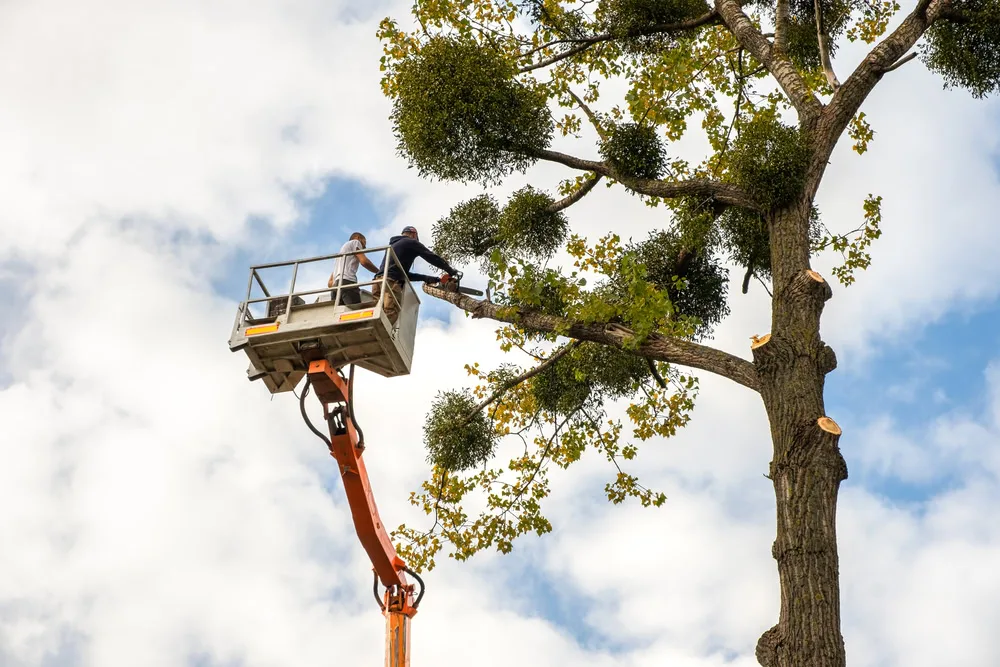
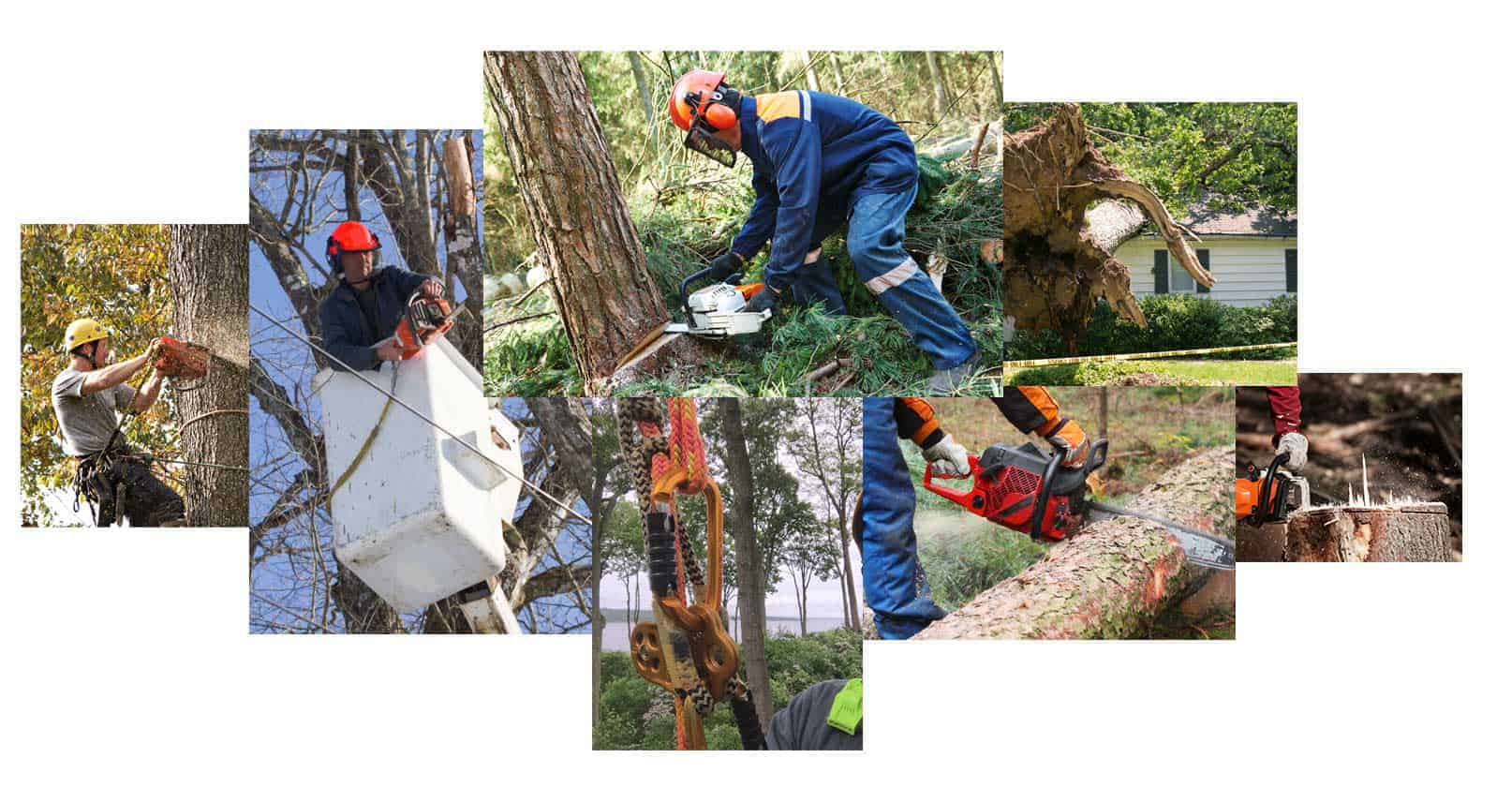
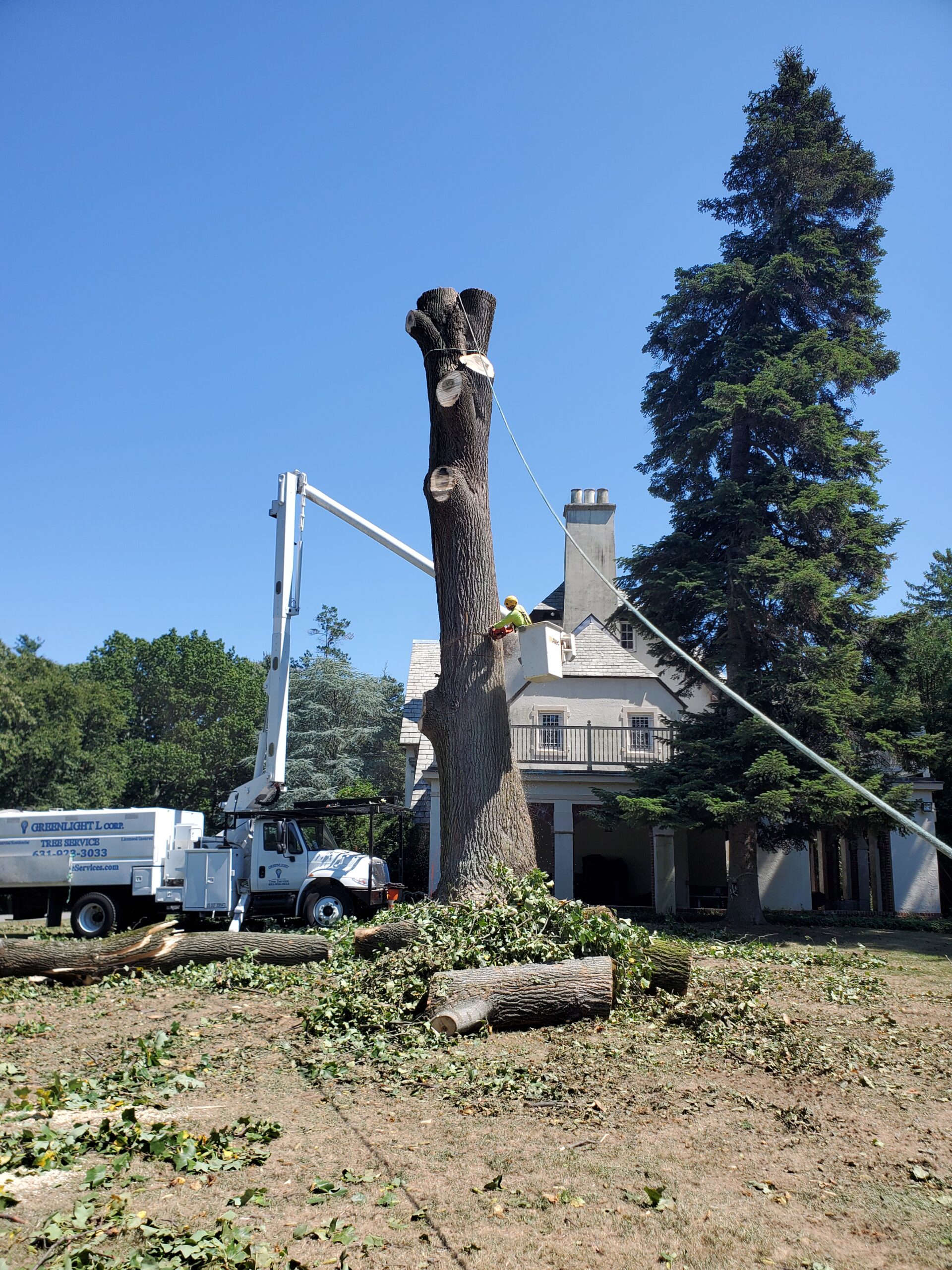
Our process typically starts with emergency stabilization—securing dangerous trees to prevent additional damage while planning the safest removal approach. We use specialized equipment like hydraulic cranes, rigging systems, and precision cutting tools to remove trees without damaging surrounding property.
Complete cleanup includes removing all branches, logs, and debris from your property. We’ll cut larger pieces into firewood-sized sections if you want to keep them, or haul everything away if you prefer. We also rake up smaller twigs and leaves, clean driveways and walkways, and restore your yard to pre-storm condition.
Stump grinding is usually a separate service, so discuss this upfront if you want stumps removed completely. We also provide eco-friendly disposal, recycling tree debris into mulch or biomass fuel rather than sending it to landfills.
We protect your remaining landscaping during cleanup, using plywood and tarps to shield plants, driveways, and structures from falling debris. We plan removal sequences carefully to minimize impact on your property and clean up thoroughly when finished.
Preventing Future Storm Damage
While you can’t control the weather, you can reduce your property’s vulnerability to storm damage through proactive tree care. Regular tree maintenance catches problems before they become expensive emergencies, and healthy trees are much more likely to survive severe weather.
Annual tree inspections by certified arborists identify weak branches, diseases, and structural problems that make trees more likely to fail during storms. Professional pruning removes dead wood and reduces wind resistance, while proper trimming techniques strengthen tree structure rather than weakening it.
Pay attention to warning signs like dead or dying branches, fungal growth at the tree base, significant lean toward structures, or exposed roots. Trees showing these symptoms need professional evaluation, and removing problem trees before storms is much safer and often less expensive than emergency removal afterward.
Consider the location of trees relative to your home, power lines, and access routes when planning new plantings. Choose species appropriate for Long Island’s climate and soil conditions, and plant them far enough from structures to accommodate their mature size. Native species typically handle local weather patterns better than exotic varieties.
Keep trees properly watered and fertilized to maintain their health and storm resistance. Drought-stressed trees are more susceptible to disease and structural failure. We can develop maintenance schedules tailored to your specific trees and local growing conditions.
Getting Your Property Back to Normal
Storm recovery takes time, but the right approach gets you back to normal as quickly and safely as possible. Start with safety and emergency repairs, then work systematically through cleanup and restoration. Don’t rush the process—hasty decisions often lead to bigger problems later.
Work with reputable, local companies who understand Suffolk County’s specific challenges and requirements. Licensed, insured professionals protect both your property and your financial interests, especially when insurance claims are involved.
Remember that prevention is always less expensive than emergency response. Regular tree maintenance, proper pruning, and addressing problems early can prevent many storm damage situations entirely. When you do need emergency services, we provide the expertise and rapid response that Suffolk County homeowners depend on during challenging times.